


Sub-zero temperatures punish standard lithium batteries. Capacity drops, internal resistance climbs, and charge cycles that worked fine in mild weather suddenly stall out or trigger safety cutoffs. For engineers designing systems that operate in freezers, unheated enclosures, or outdoor installation
Read More
Emergency systems only matter when the power actually works. A fire alarm that stays silent, an exit sign that goes dark, or a radio that dies mid-call can turn a routine incident into a crisis. Behind every one of these systems sits a battery, and the chemistry inside that battery determines whethe
Read More
Cold Weather LiFePO4 Batteries: Performance in Sub-Zero ConditionsThe Cold Temperature Problem Standard Batteries FaceCold temperatures and batteries don't mix well. Most standard lithium-ion cells experience steep capacity drops when the mercury falls below freezing, making them unreliable for outd
Read More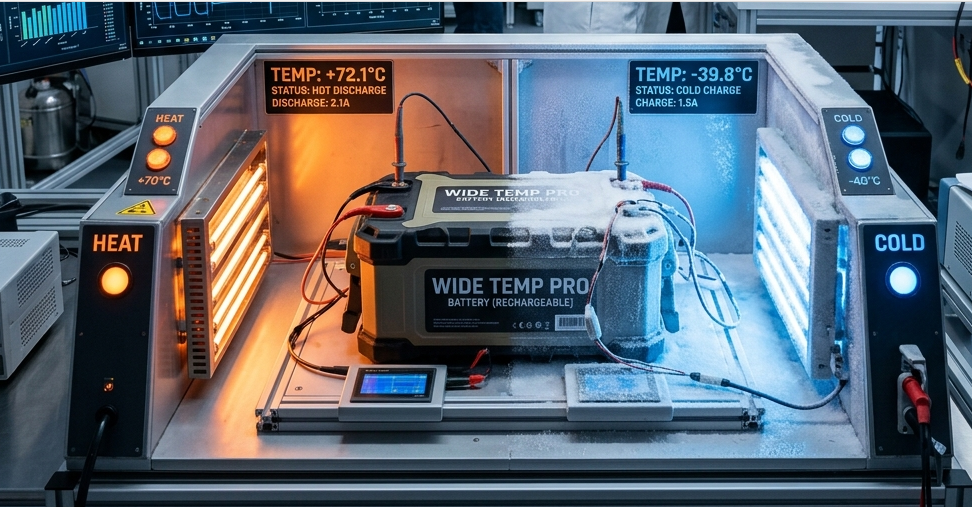
Arctic temperatures are a battery's harshest test. Standard lithium cells struggle below 0°C—internal resistance spikes, capacity drops sharply, and charging at sub-zero temperatures carries real safety risks. For engineers specifying power sources for frozen environments, those limitations aren't t
Read More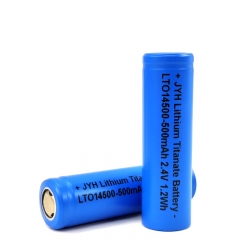
TL;DR: Cold chain logistics demand batteries that perform reliably at sub-zero temperatures. Cold chain low temperature LTO batteries, along with LiFePO4 and Lithium Titanate variants, each offer distinct advantages for frozen transport applications—differing in cycle life, temperature range, and co
Read More
