

Views: 0 Author: Site Editor Publish Time: 2026-08-29 Origin: Site


Energy storage systems face one persistent challenge in freezing conditions: standard cells lose capacity fast when temperatures fall below zero. From arctic solar farms to refrigerated transport, the demand for reliable power in extreme cold keeps growing. Specialized cells built for sub-zero performance are reshaping how storage systems operate in harsh climates.
This article explains where cold-optimized cells fit into modern storage setups, compares two leading chemistries, and highlights their real-world applications. Readers will gain a clear understanding of which technology suits which use case, backed by concrete performance figures from manufacturer specifications.
Most lithium-ion cells struggle once the mercury drops. Capacity fades, charging becomes risky, and in severe cases the cell fails outright. According to JYH Technology, standard cells experience steep capacity drops below freezing, which makes them unreliable for outdoor deployment.
For energy storage systems that must run day and night in the field, this is a serious limitation. Solar-powered stations, remote monitoring equipment, and refrigerated logistics all depend on stored power that holds up in the cold. A low temperature battery closes that gap by maintaining strong output where ordinary cells fade.
The two chemistries doing most of the heavy lifting here are cold-rated LiFePO4 and lithium titanate oxide (LTO). Each brings distinct strengths, and choosing between them depends on your climate, application, and cycle demands.
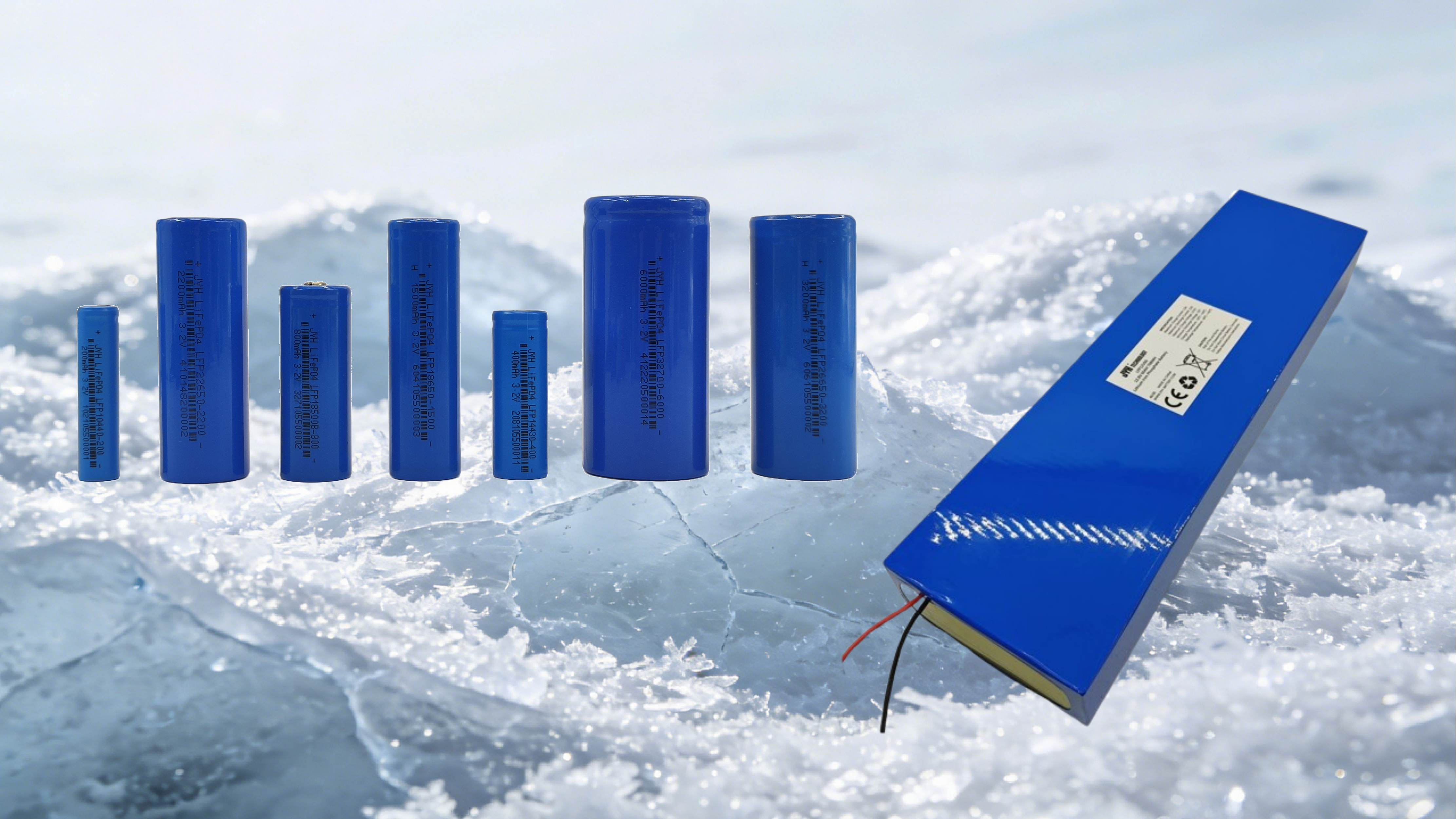
Lithium iron phosphate cells are prized for their safety and long service life. Cold-optimized versions extend those benefits into freezing weather. JYH's low temperature LiFePO4 cells charge and discharge at -20°C while retaining more than 80% capacity, and they pass cycle life testing at that same temperature.
This makes them a strong fit for outdoor storage. Consider a remote surveillance setup running through an alpine winter. An Outdoor Security LiFePO4 battery keeps cameras, sensors, and communication links powered without the bulky heating elements that many cold-weather systems require. Fewer components means fewer failure points and lower maintenance.
Some LiFePO4 variants push even further. JYH reports cells that charge at -40°C with no safety risk and require no heating components, along with UL924-compliant models that charge at -30°C safely. For solar-linked storage in exposed locations, that reliability translates into uninterrupted operation through the coldest months.
Lithium titanate oxide takes cold performance to another level. LTO cells handle deep freezing conditions and deliver exceptional cycle life, which matters for systems that charge and discharge constantly.
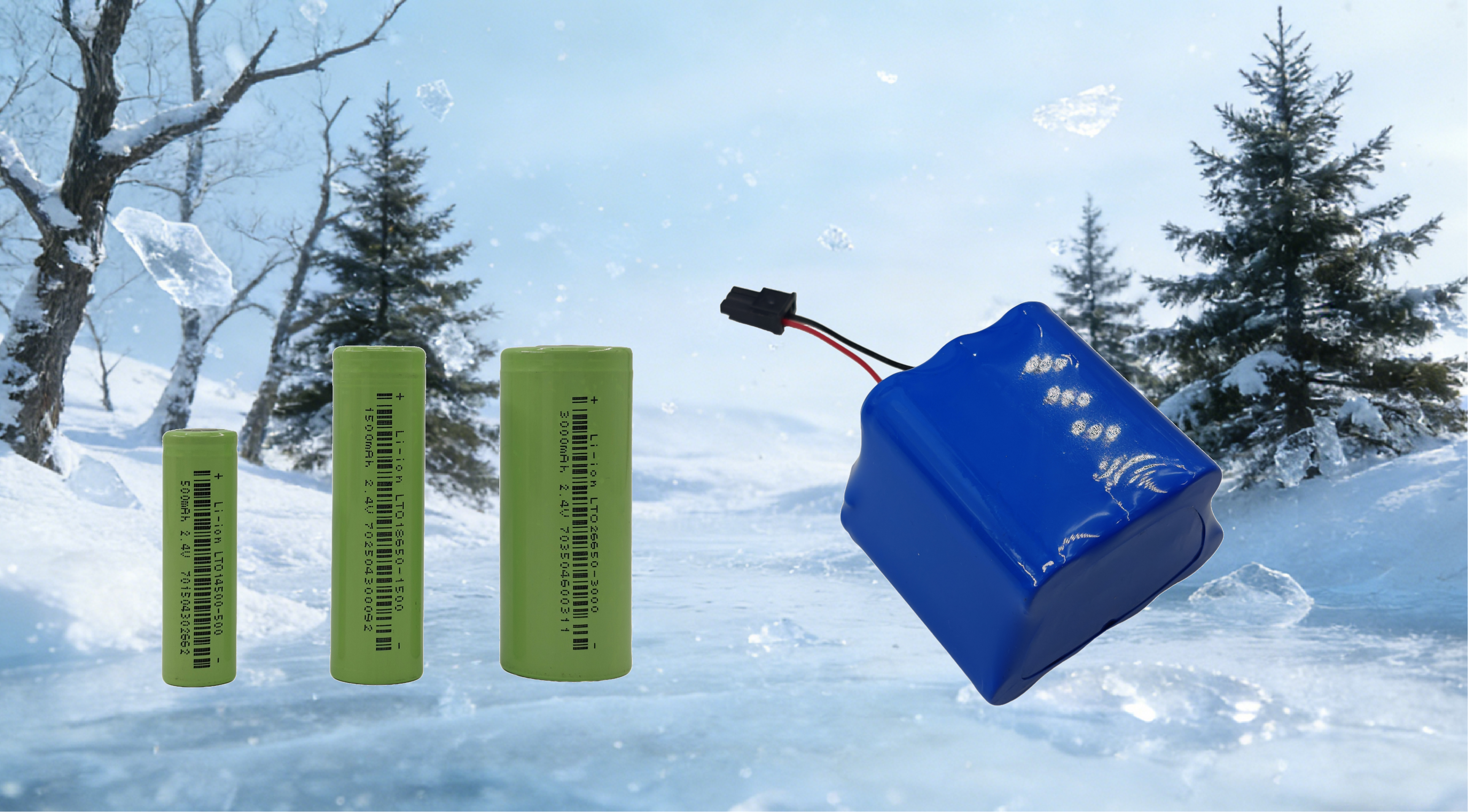
According to JYH's specifications, their LTO cells retain more than 80% capacity when charging and discharging at -20°C, and still hold over 60% at -40°C. Cycle life passes testing at -40°C, and the cells exceed 10,000 cycles at 100% depth of discharge. No heating components are needed.
These traits make LTO ideal for temperature-critical logistics. A Cold Chain low temperature LTO battery can power monitoring devices, data loggers, and tracking units inside refrigerated trucks or freezer warehouses. Cold chain logistics leave no room for gaps—a single monitoring failure can spoil an entire shipment of pharmaceuticals or perishable goods. LTO's stability under repeated cycling keeps those systems running.
Feature | Cold-Rated LiFePO4 | LTO |
|---|---|---|
Capacity at -20°C | >80% | >80% |
Capacity at -40°C | Select models charge safely | >60% |
Cycle life (100% DOD) | Long, tested at low temps | >10,000 cycles |
Heating components | Not required | Not required |
Best suited for | Outdoor and solar storage | Cold chain and high-cycle use |
Relative cost | Lower | Higher |
Choose cold-rated LiFePO4 if outdoor storage and cost efficiency matter more than extreme cycling. Choose LTO if your system runs in the deepest cold or demands tens of thousands of charge cycles, such as cold chain monitoring.
Cold-optimized cells appear across a growing list of storage applications:
Off-grid solar stations in mountainous or polar regions, where daytime charging must survive freezing nights.
Remote monitoring and security installations that run year-round without site visits.
Refrigerated transport carrying pharmaceuticals, fresh produce, or frozen food.
Freezer warehouse systems that track inventory conditions continuously.
In each case, the absence of heating components is a meaningful advantage. It reduces power draw, simplifies design, and cuts the risk of component failure in the field.
Matching chemistry to climate and duty cycle is the key decision. For most outdoor and solar-linked deployments, cold-rated LiFePO4 offers the best balance of safety, longevity, and value. For the harshest environments and high-frequency cycling, LTO stands apart.
Manufacturers like JYH Technology, founded in 1999, supply both chemistries along with custom battery assembly. Their R&D team covers high temperature, low temperature, high-rate discharge, and long-life cells, tested against UL, IEC, and GB standards. For system designers weighing options, working with a supplier that spans both chemistries makes it easier to match hardware to conditions. You can explore their full range at www.jyh-battery.com.
At what temperature do standard batteries start failing?
Most standard lithium-ion cells lose significant capacity once temperatures drop below freezing (0°C). Below this point, capacity fades and charging can become unsafe, which is why cold-optimized chemistries are used in freezing environments.
Do cold-weather cells need heating elements?
No. Both JYH's cold-rated LiFePO4 and LTO cells operate without heating components. This lowers power consumption, simplifies system design, and reduces potential failure points.
Which chemistry lasts longer under heavy cycling?
LTO leads on cycle life, exceeding 10,000 cycles at 100% depth of discharge and passing cycle testing at -40°C. It suits applications that charge and discharge frequently, such as cold chain monitoring.
Can these cells handle -40°C?
Yes. Select LiFePO4 models charge at -40°C with no safety risk, while LTO cells retain more than 60% capacity at that temperature. The right choice depends on your specific duty cycle.
Which supplier offers both chemistries?
JYH Technology produces cold-rated LiFePO4 and LTO cells, plus other chemistries, with manufacturing across several locations in China. Details are available at www.jyh-battery.com.
Sub-zero conditions no longer have to limit stored power. Cold-optimized chemistries have turned freezing environments from a barrier into a manageable design factor. A low temperature battery keeps outdoor and solar storage running through harsh winters, while LTO cells deliver the deep-cold endurance and cycle life that demanding logistics require. Matching the right chemistry to your climate and duty cycle is what makes reliable cold-weather storage possible.


