

Views: 0 Author: Site Editor Publish Time: 2026-03-25 Origin: Site


The global shift toward sustainable transit requires power storage solutions that offer exceptional reliability. When examining modern options, one specific chemistry stands out for its remarkable durability. Lithium titanate oxide based batteries serve as an ideal choice for electric transportation systems thanks to their outstanding power capabilities, enhanced safety features, alongside excellent temperature adaptability. Understanding what LTO stands for provides valuable insight into the future of robust energy storage.
An LTO battery utilizes lithium titanate on its anode surface instead of the traditional graphite material. This structural variation creates a highly stable cell capable of rapid discharging without degrading the internal components. Whether you need a low temperature battery for harsh winter climates or a dependable emergency light battery for critical backup systems, this specific chemistry delivers unmatched performance.
To truly appreciate the value of an LTO battery, we must explore its fundamental chemical structure. Lithium titanate oxide features a zero-strain characteristic during charge cycles. This means the battery materials do not expand or contract significantly as energy flows through them. Consequently, an LTO battery boasts an incredibly long lifespan, often exceeding tens of thousands of cycles.


Standard lithium-ion cells often fail or lose significant capacity when the thermometer drops. Conversely, an LTO battery functions beautifully as a low temperature battery. These cells can operate safely at temperatures as low as minus thirty degrees Celsius. When utilizing a low temperature battery in electric buses or delivery fleets, fleet managers no longer worry about winter weather stranding their vehicles.
Facility managers constantly seek dependable power for safety infrastructure. An LTO battery works flawlessly as an emergency light battery because it maintains its charge over long periods while resisting extreme temperature fluctuations. You can rely on this emergency light battery to activate instantly during a power grid failure. An emergency light battery powered by lithium titanate oxide ensures building occupants can safely evacuate during critical situations.
Safety remains a top priority when selecting power sources for mass transit. Traditional batteries carry a risk of thermal runaway, but an LTO battery mitigates this hazard almost entirely. The unique oxide anode prevents the formation of lithium dendrites, which are the primary cause of internal short circuits.
Because an LTO battery prevents dendrite growth, the risk of fire drops significantly. This makes the LTO battery a perfect fit for electric transportation systems carrying thousands of passengers daily. Furthermore, this inherent stability makes it a fantastic emergency light battery for industrial complexes where chemical flammability is a major concern.
A true low temperature battery must do more than just survive the cold; it must accept a charge safely. When charging traditional cells in freezing conditions, the internal resistance spikes. However, a lithium titanate low temperature battery accepts rapid charging even in sub-zero environments without sustaining internal damage. This feature cements the LTO battery as the premier low temperature battery for northern climates.
Electric transportation demands high power outputs for acceleration alongside rapid recharge times to minimize downtime. An LTO battery excels in both categories.
An LTO battery can often reach a full charge in less than fifteen minutes. This rapid charging capability transforms how electric ferries, buses, alongside rail systems operate. Instead of waiting hours to recharge, a vehicle equipped with an LTO battery can top off its energy during standard passenger boarding times.
The zero-strain characteristic allows an LTO battery to endure aggressive rapid charging daily. While standard cells degrade quickly under fast-charge protocols, an LTO battery maintains its structural integrity. Whether used as a daily transit power source or a standby emergency light battery, the cycle life routinely surpasses twenty thousand cycles.

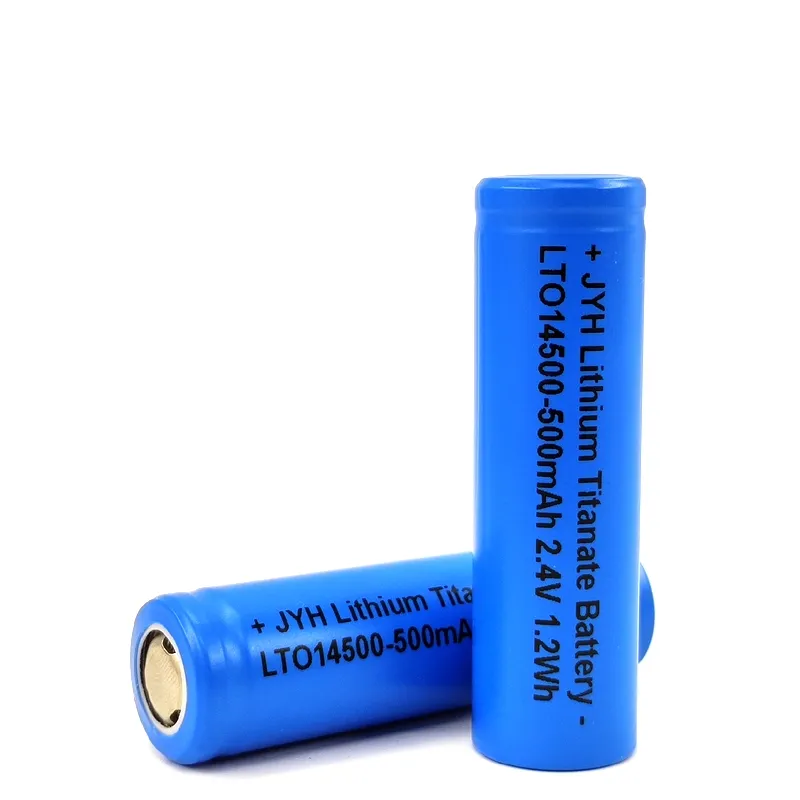
To better understand how an LTO battery compares to conventional lithium-ion options, please review the detailed comparison table below.
Feature | LTO Battery | Standard Lithium-ion |
|---|---|---|
Anode Material | Lithium Titanate Oxide | Graphite |
Cycle Life | 15,000 to 25,000 cycles | 1,000 to 3,000 cycles |
Safety Level | Extremely High (No thermal runaway) | Moderate (Requires complex management) |
Charging Speed | 10 to 15 minutes | 2 to 4 hours |
Low Temperature Battery Use | Excellent (Down to -30°C) | Poor (Capacity drops below 0°C) |
Emergency Light Battery Use | Highly Reliable | Standard Reliability |
As the table illustrates, an LTO battery provides superior longevity, safety, alongside temperature adaptability.
Integrating an LTO battery into your current infrastructure requires careful planning, but the long-term payoff remains substantial. Municipalities utilizing a low temperature battery for their public transit fleets report massive reductions in maintenance costs. They spend less time replacing degraded cells alongside fewer resources managing cold-weather breakdowns.
Similarly, facility operations utilizing this chemistry for their emergency light battery needs enjoy profound peace of mind. Knowing your emergency light battery will perform regardless of ambient temperature or age reduces compliance stress. An emergency light battery that relies on lithium titanate oxide simply requires less testing and replacement than older lead-acid or nickel-cadmium alternatives.
The transportation sector will continue leaning heavily on the LTO battery to solve complex logistical challenges. As engineers demand a reliable low temperature battery for aerospace, maritime, alongside terrestrial transit, lithium titanate oxide will lead the market. The sheer power delivery, combined with a virtually bulletproof safety profile, ensures the LTO battery remains the gold standard.
Whether you need a low temperature battery for polar expeditions or a simple emergency light battery for a commercial warehouse, this technology delivers. You can trust an LTO battery to hold its charge, deliver massive current upon demand, alongside outlasting the equipment it powers.
When you decide to upgrade your infrastructure, selecting a proven manufacturing partner is essential. We highly recommend JYH Technology for all your advanced energy storage needs. JYH Technology specializes in crafting the ultimate LTO battery, ensuring every cell meets rigorous safety standards. Whether you are searching for a specialized low temperature battery for winter fleet operations or a dependable emergency light battery for commercial buildings, JYH Technology delivers unparalleled engineering excellence.
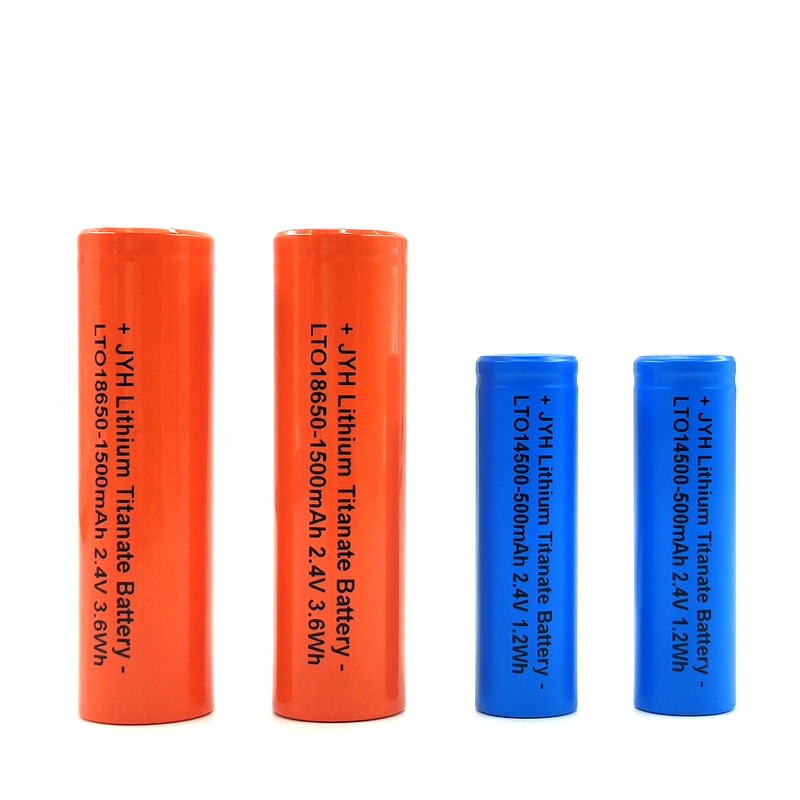
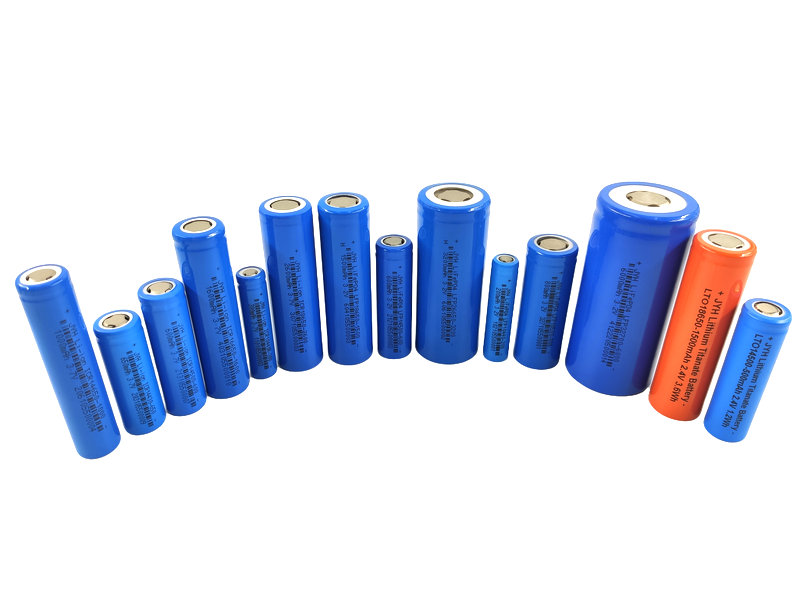
LTO stands for Lithium Titanate Oxide. This refers to the chemical composition of the anode used inside the cell, which replaces the standard graphite anode found in typical lithium-ion cells to provide exceptional stability.
An LTO battery resists the formation of lithium dendrites during charging. Because dendrites cause internal short circuits that lead to fires, the absence of dendrites means the battery will not experience thermal runaway.
Yes, it functions exceptionally well as a low temperature battery. It can operate safely and even accept rapid charging at temperatures as low as minus thirty degrees Celsius without sustaining permanent damage.
Absolutely. It makes a perfect emergency light battery because it boasts a very low self-discharge rate, exceptionally long shelf life, alongside the ability to deliver immediate power during unexpected grid failures.
Thanks to its highly porous anode structure, you can typically charge these cells from zero to full capacity in roughly ten to fifteen minutes, making them highly efficient for public transportation systems.
Email: sales@jyh-battery.com
Phone: +86 15875046064


