

Views: 0 Author: Site Editor Publish Time: 2026-08-19 Origin: Site


Extreme cold is a well-known enemy of electronics. Anyone who has left a smartphone outside on a snowy day knows how quickly a standard battery can drain and shut down. Freezing temperatures slow down the internal chemical reactions that generate electricity, causing traditional power sources to fail when you need them most.
But not all energy storage systems are created equal. Engineers and manufacturers have spent decades developing specialized power solutions capable of surviving harsh winter environments. A low temperature battery is designed specifically to defy the cold, operating safely and efficiently long after standard options have frozen solid.
If you are planning an off-grid solar setup, designing outdoor emergency lighting, or building tracking devices for cold climates, finding the right power source is essential. The good news is that modern battery chemistry has advanced significantly.
By utilizing special electrolytes and modified internal structures, modern energy storage systems can handle punishing weather. This guide explains how a sub-zero temperature battery functions and highlights the most reliable chemistries available for freezing conditions.
Standard lithium-ion batteries struggle in the cold because their internal resistance increases as the temperature drops. The liquid electrolyte inside the cell becomes highly viscous, making it difficult for lithium ions to move between the anode and the cathode. If you try to force a charge into a standard lithium cell below freezing, you risk a dangerous phenomenon called lithium plating. This causes metallic lithium to build up inside the battery, which can lead to permanent damage or short circuits.
A true sub-zero temperature battery solves these problems at a chemical level. Manufacturers like JYH Technology, who have been developing rechargeable batteries since 1999, use specialized electrolyte formulas that maintain their liquid state in extreme cold. They also modify the electrode materials to ensure smooth ion transfer regardless of the ambient temperature.
Because of these targeted design changes, advanced low temperature batteries do not require external heating components to function. They can safely charge and discharge in environments as cold as -40°C. This chemical resilience makes them the ideal choice for demanding applications like outdoor GPS tracking, emergency lighting, and cold storage facilities.


When it comes to safety and longevity, Lithium Iron Phosphate (LiFePO4) is one of the most popular chemistries on the market. A sub-zero LiFePO4 battery combines the inherent stability of this chemistry with cold-weather performance modifications.
Standard batteries lose a massive portion of their usable capacity when the temperature dips below zero. However, a specially engineered low temperature LiFePO4 battery retains its power exceptionally well. For example, JYH Technology’s cold-weather LiFePO4 cells can safely charge and discharge at -20°C while maintaining more than 80% of their total capacity.
Safety is critical when dealing with energy storage. LiFePO4 batteries are naturally resistant to thermal runaway, making them incredibly safe even under heavy loads. Many of these cold-weather cells comply with strict industry standards. For instance, UL924 compliant LiFePO4 batteries are heavily utilized in US emergency lighting systems because they can charge at -30°C without any safety risks.
Cold weather usually degrades standard batteries very quickly. However, a sub-zero LiFePO4 battery is built to last. Acceptable cycle life testing at -20°C proves that these power sources can endure hundreds of charge and discharge cycles in freezing conditions without experiencing sudden failures or massive capacity drops.
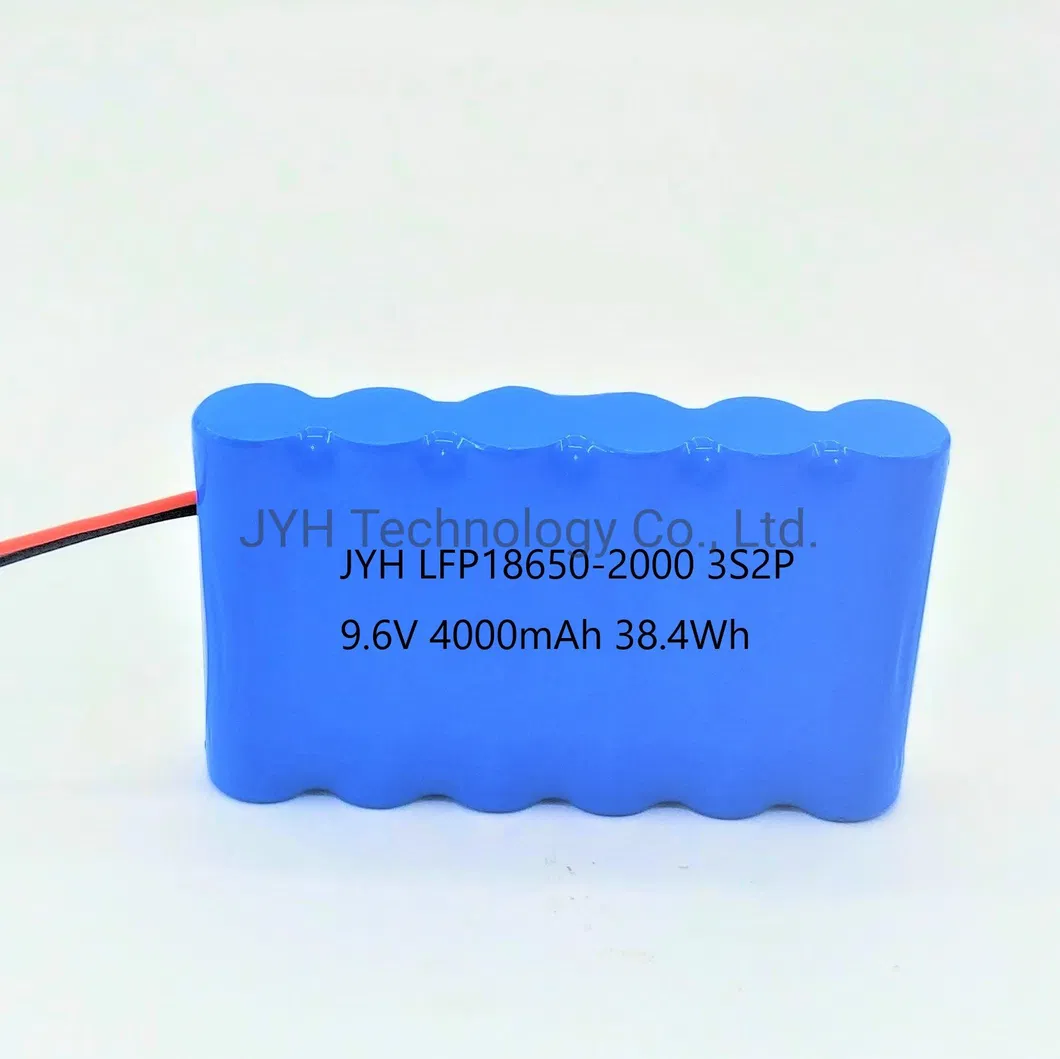
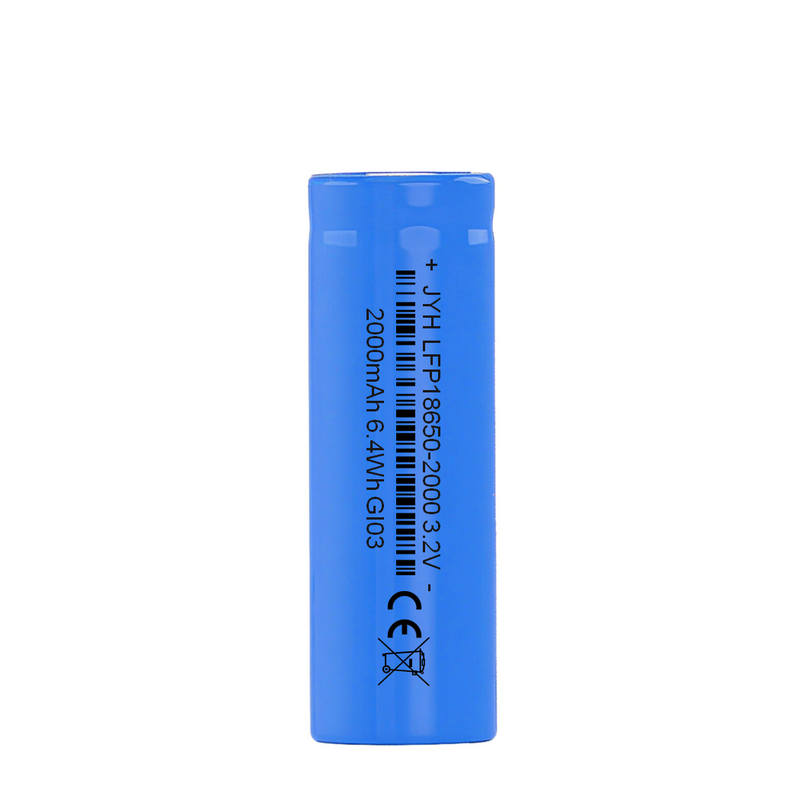
While chemistry is highly important, the physical size of the power source matters just as much. The 18650 cell is one of the most widely used battery formats in the world. Measuring 18mm in diameter and 65mm in length, these cylindrical cells are found in everything from medical devices to portable power banks.
An 18650 sub-zero battery brings cold-weather performance to compact electronics. Designers often rely on these specific cells when building outdoor equipment that requires a lightweight, dependable power supply.
By stringing multiple 18650 cells together, engineers can create custom battery packs tailored to the exact voltage and capacity requirements of their devices. For example, JYH Technology produces the IEC 62620 LFP18650-2000 LiFePO4 battery, providing a stable, low-temperature solution in a universally accepted form factor. This makes it incredibly easy for manufacturers to upgrade their existing outdoor devices simply by swapping out standard 18650 cells for sub-zero alternatives.
While LiFePO4 is excellent for many applications, some environments require even more extreme cold tolerance. For the absolute harshest climates on earth, Lithium Titanate (LTO) batteries are the ultimate solution.
LTO technology swaps out the standard graphite anode for lithium titanate nanocrystals. This vastly increases the surface area of the anode, allowing electrons to enter and exit the battery much faster. As a result, LTO batteries deliver unparalleled performance in freezing weather.
These specialized cells can charge and discharge at an astonishing -40°C while still maintaining over 60% of their capacity. Furthermore, LTO batteries boast a 100% depth of discharge (DOD) cycle life of over 10,000 cycles. While they may have a lower energy density than LiFePO4, their ability to function flawlessly at -40°C without any heating components makes them indispensable for extreme industrial applications.
| Feature | Standard Lithium-Ion | Low Temperature LiFePO4 | Lithium Titanate(LTO) |
| Minimum charging temperature | 0°C (32°F) | -20°C to -30°C (UL924 compliant) | -40°C (-40°F) |
| Minimum discharging temperature | -10°C to -20°C (no charging) | -40°C | -40°C |
| Capacity retention at -20°C | <50% (often fails to charge) | >80% | >60% |
| Risk of lithium plating | High | Very low | None |
| Cycle life (100% DoD) | 500–2,000 | 2,000–5,000 | >10,000 |
| Safety in cold charging | Requires heating mat / BMS cutoff | Safe without external heating | Safe without external heating |
| Best suited for | Indoor / mild climate | Outdoor solar, emergency lights, GPS, off-grid | Extreme industrial, cold storage, heavy equipment |
You do not have to let freezing temperatures dictate the reliability of your electronic devices. A low temperature battery can easily operate below the freezing point, provided it utilizes the correct chemistry and internal design.
By choosing a sub-zero LiFePO4 battery for balanced energy density and safety, an 18650 sub-zero battery for compact devices, or an LTO battery for the most extreme cold environments, you can guarantee consistent power delivery all winter long. Specialized electrolyte formulas and advanced electrode materials have successfully eliminated the need for bulky heating elements, keeping your devices lightweight and highly efficient.
If you are developing a product for cold climates and need a reliable power solution, partnering with an experienced manufacturer is the best next step. JYH Technology offers comprehensive battery solutions and decades of technical expertise in low temperature performance. Reach out to a battery specialist today to find the perfect cell for your exact specifications.


