

Views: 0 Author: Site Editor Publish Time: 2026-05-28 Origin: Site


Power outages happen without warning. When the main electricity supply fails, buildings instantly plunge into darkness, creating significant safety hazards. This is where emergency lighting steps in to guide occupants to safety. But the seamless switch from grid power to backup illumination relies entirely on a hidden powerhouse: the emergency light battery.
Understanding how this essential component functions can help facility managers and homeowners make informed decisions about their safety infrastructure. An emergency light battery sits quietly in the background, drawing a small trickle of electricity to maintain a full charge. When the system detects a voltage drop, it instantly triggers a relay switch, routing stored energy to the LED or fluorescent bulbs.
This comprehensive guide explores the mechanics of backup lighting systems. You will learn the science behind a rechargeable battery, the specific operational requirements of an emergency light battery, and the reasons why lithium LiFePO4 battery technology currently dominates the market.
To understand backup lighting, you first need to understand the underlying power source. A rechargeable battery operates through reversible electrochemical reactions. When plugged into a continuous power source, electrical energy forces a chemical change inside the battery cells, storing the energy for later use.
During a power outage, this chemical process reverses. The stored chemical energy converts back into electricity, flowing out to power the connected light fixtures. Unlike primary batteries that deplete permanently and require disposal, rechargeable systems can cycle through this charge and discharge process hundreds or thousands of times.
Different chemical compositions dictate how efficiently a battery stores and releases energy. Common chemistries used in commercial and residential settings include Nickel-Cadmium (Ni-Cd), Nickel-Metal Hydride (Ni-MH), and various lithium-based solutions. Each chemistry offers distinct advantages regarding temperature tolerance, lifespan, and energy density.
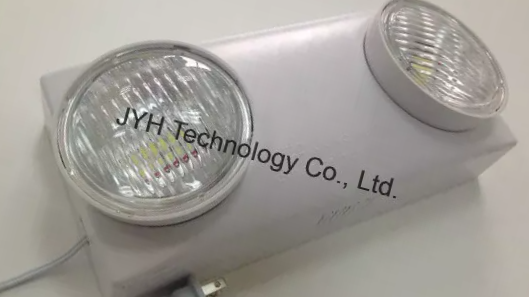
An emergency light battery must meet strict regulatory and operational standards that typical consumer batteries do not face. These specialized power units remain connected to the main electrical circuit at all times. They utilize a specialized charging module that provides a continuous float charge. This ensures the cells remain at full capacity without overheating or degrading the internal chemistry.
When the building's main power supply fails, an internal circuit board detects the sudden loss of electrical current. Within milliseconds, an automatic transfer switch changes the power pathway. The emergency light battery takes over, discharging its stored electricity directly to the emergency lamps.
Safety codes, such as the UL924 standard in the United States, require these systems to provide reliable illumination for a minimum of 90 minutes. Therefore, the battery must possess enough capacity to sustain consistent light output for an hour and a half, giving occupants ample time to evacuate the premises safely.
Historically, sealed lead-acid or Ni-Cd batteries dominated the emergency lighting sector. Today, the lithium LiFePO4 battery (Lithium Iron Phosphate) represents the industry standard for reliable backup power.
Choose LiFePO4 if longevity and safety matter most. These batteries provide exceptional thermal stability, meaning they will not catch fire or vent dangerous gases under extreme conditions. They also boast an incredible cycle life, outlasting older technologies by several years. For organizations prioritizing long-term value, these modern power units drastically reduce replacement frequency and facility maintenance costs.
Companies like JYH Technology engineer specialized LiFePO4 solutions designed for harsh environments. According to their technical specifications, their high-temperature and low-temperature battery models can charge and discharge safely in extreme climates. These advanced cells function efficiently anywhere from -40°C to 85°C without the need for external heating components.
Feature | Lithium LiFePO4 Battery | Nickel-Cadmium (Ni-Cd) | Sealed Lead-Acid (SLA) |
|---|---|---|---|
Cycle Life | 2,000 to 5,000 cycles | 500 to 1,000 cycles | 200 to 300 cycles |
Weight | Very lightweight | Moderately heavy | Extremely heavy |
Thermal Stability | Excellent (Inherently safe) | Moderate | Poor (Prone to venting) |
Maintenance | Zero maintenance required | Requires periodic cycling | Requires regular checking |
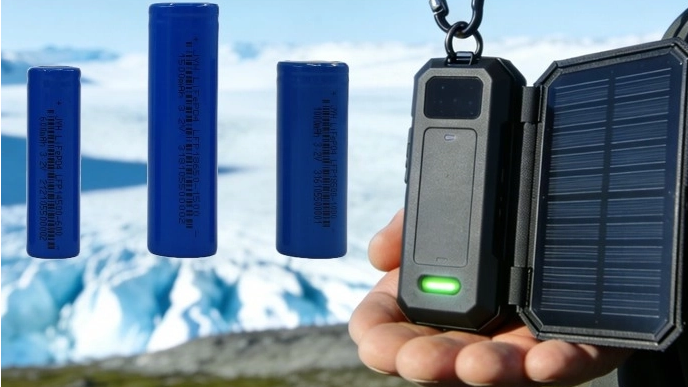
A standard Ni-Cd battery typically lasts three to five years. In contrast, a lithium LiFePO4 battery can function effectively for seven to ten years due to its robust chemical structure and higher cycle tolerance.
Once the battery depletes its stored energy, the emergency lights will turn off. The battery will remain safely discharged until the main electrical grid restores power, at which point the internal charger will automatically begin refilling the cells.
Standard batteries lose significant capacity in freezing conditions. However, specialized low-temperature LiFePO4 units, like those developed by JYH Technology, can charge and discharge at -40°C without sustaining permanent damage.
Yes. LiFePO4 chemistry is inherently stable and non-combustible. It does not carry the thermal runaway risks associated with other lithium-ion formulations, making it exceptionally safe for indoor commercial and residential applications.
Dependable backup lighting forms the backbone of any building's safety plan. By utilizing an advanced rechargeable battery, these systems ensure that a sudden power loss never compromises occupant safety. Upgrading to a lithium LiFePO4 battery provides unparalleled reliability, thermal stability, and an extended operational lifespan. Facilities can trust these intelligent energy storage systems to perform flawlessly when every second counts.
Quick answer: An emergency light battery works by drawing a continuous trickle charge from the building's main power grid. When a circuit board detects a power outage, it instantly triggers a transfer switch, routing the stored chemical energy from the rechargeable battery to power the light fixtures for a minimum of 90 minutes.


