

Views: 0 Author: Site Editor Publish Time: 2026-09-10 Origin: Site


Off-grid equipment lives or dies by its power source. A solar tracker that loses charge on a cloudy week, a security camera that shuts down overnight, or a GPS unit that dies mid-shipment can turn a smart device into a liability. The battery inside these systems has to handle temperature swings, long idle periods, and years of unattended operation without a single service visit.
Lithium iron phosphate chemistry has become the default answer for engineers designing this kind of equipment. It holds a stable voltage, resists thermal runaway better than other lithium chemistries, and can be tuned for extreme heat or cold. But not every application asks the same thing of a battery. A rooftop solar array, a fence-line camera, and a handheld tracker each place different demands on their power cells.
This guide breaks down how a Solar Tracker LiFePO4 battery, an Outdoor Security LiFePO4 battery, and a set of GPS trackers LiFePO4 battery cells each solve a distinct set of engineering problems, and what to look for when specifying one.
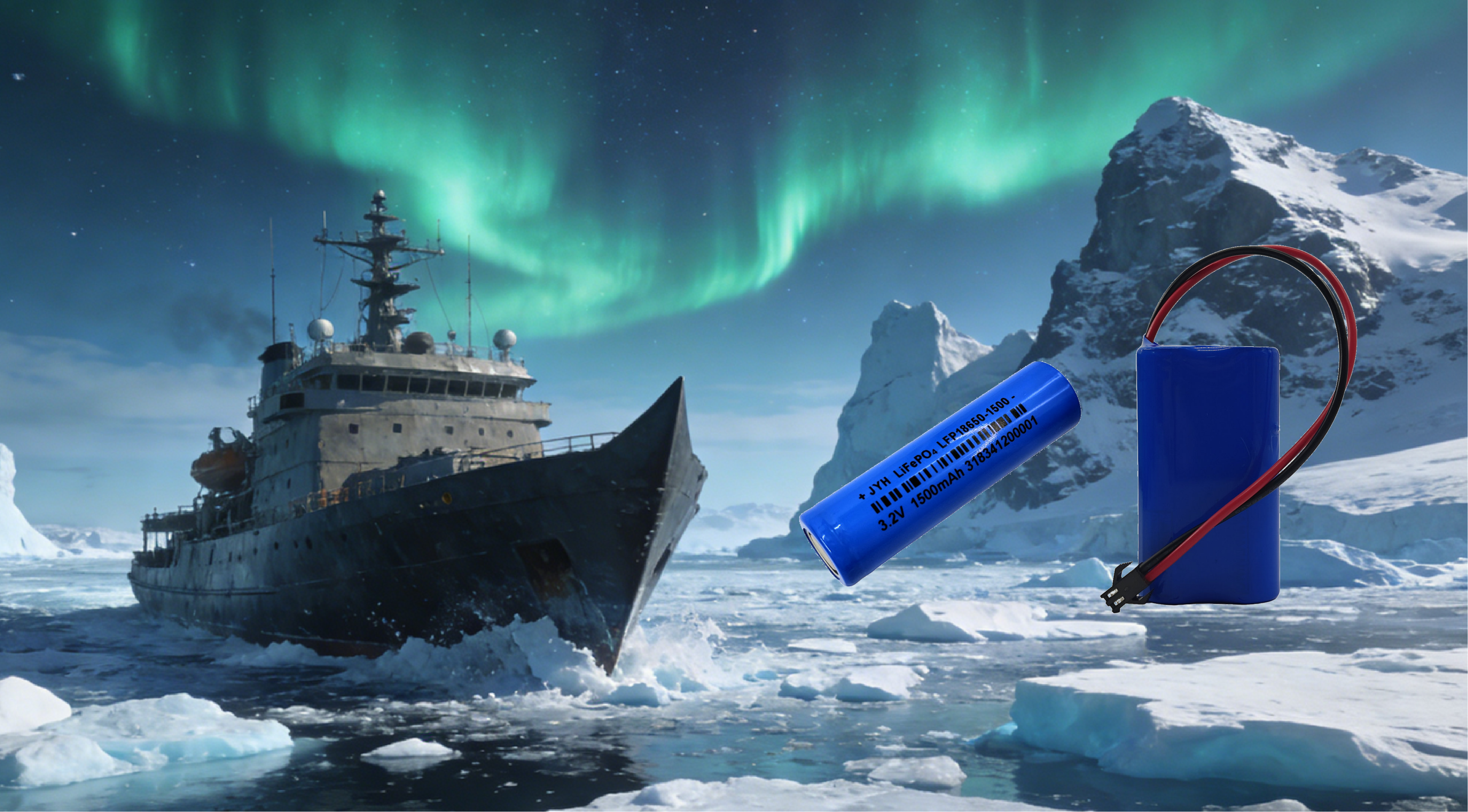
Solar tracking arrays adjust panel angles throughout the day to follow the sun, which means the motor controller needs a steady power supply even before the panels generate meaningful output at dawn. A Solar Tracker LiFePO4 battery typically sits between the panel and the motor, storing enough charge overnight to move the array into position before sunrise.
Rooftop and field installations are rarely climate-controlled. According to JYH Technology, specialized low-temperature LiFePO4 cells can charge and discharge at -20°C while retaining more than 80% of rated capacity, and select designs charge safely down to -40°C without added heating components. That matters for a tracker mounted in a mountain field or a desert array baking under direct sun, where the battery has to perform at both temperature extremes without a support crew nearby.
Security cameras, motion sensors, and perimeter alarms need power around the clock, regardless of weather. An Outdoor Security LiFePO4 battery has to sustain long discharge cycles overnight, then recharge quickly during daylight hours if it's paired with a solar panel, or simply hold a charge for weeks if it's running on a scheduled maintenance cycle.
Reliability here isn't just about runtime. A battery that fails in freezing conditions creates a gap in coverage exactly when a property is least monitored. High-temperature variants rated up to 85°C and compliant with IEC 62620, as offered by manufacturers like JYH Technology, address the opposite problem: cameras mounted in direct sun or near heat-generating equipment, where standard cells would degrade quickly.
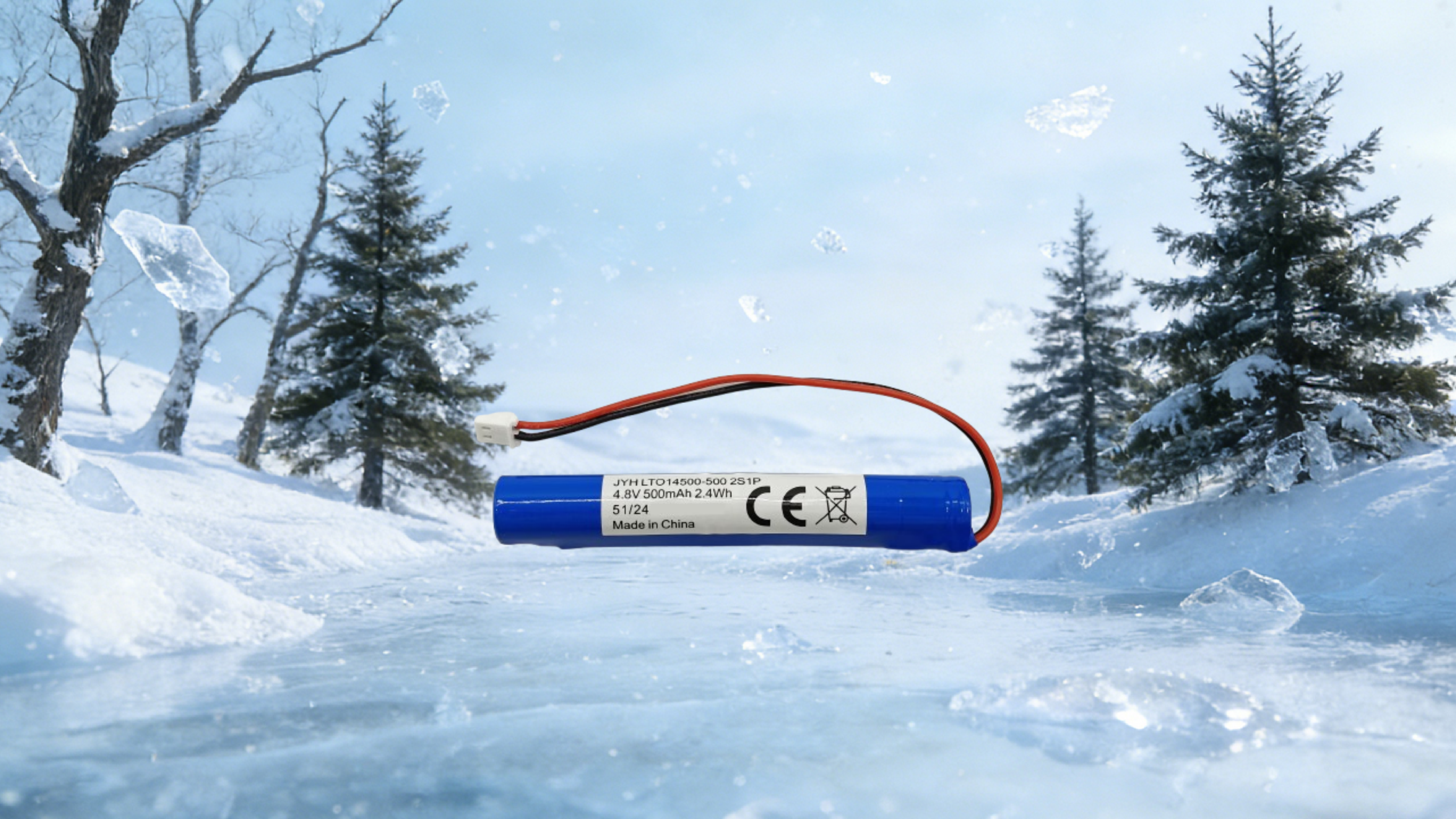
Asset tracking and fleet monitoring depend on GPS units that report location data for months at a time, often in shipping containers, remote vehicles, or livestock collars. A GPS trackers LiFePO4 battery needs a different profile than the other two applications: lower average current draw, punctuated by short bursts when the device wakes to transmit a location ping.
Because these units are frequently sealed or hard to access, cycle life and self-discharge rate carry more weight than raw capacity. A cell that holds its charge for months of standby, then delivers a reliable pulse for transmission, keeps tracking data accurate without requiring anyone to physically check the device.
Application | Operating Temperature Range | Priority | Typical Discharge Pattern |
|---|---|---|---|
Solar Tracking | -20°C to 85°C | Cold-start reliability | Steady, motor-driven |
Outdoor Security | -30°C to 85°C | Continuous overnight runtime | Sustained, low current |
GPS Tracking | -20°C to 60°C | Long standby, low self-discharge | Intermittent bursts |
Choose a low-temperature cell if the equipment sits somewhere below freezing for extended periods, since standard lithium cells lose usable capacity fast once temperatures drop. Choose a high-temperature-rated cell if the device is mounted in direct sun, near motors, or in enclosed housings where heat builds up. And prioritize cycle life and standby performance over peak capacity when the device, such as a tracking unit, wakes only occasionally to transmit data.
Certifications matter too. IEC 62620 compliance signals a cell built for demanding industrial use, while ISO 9001 manufacturing indicates consistent quality control across production batches, which reduces the odds of field failures at scale.
Does cold weather permanently damage a LiFePO4 battery?
No. Cold temporarily reduces usable capacity and charge efficiency, but specialized low-temperature LiFePO4 cells are designed to recover full performance once temperatures rise, without permanent degradation under normal conditions.
How long can an outdoor battery last without maintenance?
This depends on cycle life and self-discharge rate rather than capacity alone. Cells built for standby-heavy use, like tracking devices, can hold a usable charge for months between service visits.
What temperature range should I look for in a solar application?
Look for a cell rated to handle both ends of the climate the array sits in, ideally with cold-charge performance down to at least -20°C and heat tolerance up to 85°C for exposed installations.
Are there alternatives to LiFePO4 for these applications?
Standard lithium-ion and NCM cells exist, but they generally have a narrower safe operating temperature range and a higher risk of thermal runaway, which makes them less suited to unattended outdoor equipment.
Who typically needs this kind of specialized battery?
Manufacturers and integrators building solar-powered equipment, outdoor security systems, or asset-tracking devices that operate unattended in variable climates are the primary users of these battery types.
Solar arrays, security systems, and tracking devices all depend on a battery that works when nobody's watching. The right chemistry, temperature rating, and cycle life turn an unattended device into a dependable one, rather than a maintenance headache.
In short, a Solar Tracker LiFePO4 battery, an Outdoor Security LiFePO4 battery, and a GPS trackers LiFePO4 battery each solve a different problem: cold-weather reliability, continuous overnight runtime, and long standby life, respectively. Matching the battery's temperature rating and discharge profile to the equipment's real operating conditions is the deciding factor in long-term performance. For specifications on any of these battery types, visit www.jyh-battery.com.


