

Views: 0 Author: Site Editor Publish Time: 2026-05-19 Origin: Site


Winter conditions introduce massive challenges for electronic devices and power systems. When the temperature drops below freezing, the internal chemical reactions that generate electricity slow down drastically. This sluggish chemical activity causes immediate capacity loss and can permanently damage standard power cells. Anyone who has left a smartphone outside in the snow understands how quickly a fully charged device can die without warning.
Industrial applications, emergency lighting, and renewable energy systems cannot afford these sudden power failures. Operating critical infrastructure in extreme environments requires engineering specifically designed to handle thermal stress. Standard lithium-ion options simply fail to provide adequate performance when exposed to harsh winter elements.
Specialized power storage solutions overcome these freezing barriers through modified internal chemistries and robust structural designs. By optimizing the electrolyte composition and utilizing advanced materials, engineers have created power cells that perform flawlessly even at -40°C. These advancements eliminate the need for external heating components, saving space and reducing overall system complexity.
Understanding the differences between standard options and specialized cold-resistant units helps project managers and engineers make informed decisions. We will examine the specific mechanisms that allow certain energy storage systems to thrive in freezing conditions and how to choose the right power source for your next major project.


Batteries generate electricity by moving ions between an anode and a cathode through a liquid electrolyte. As the surrounding air gets colder, this liquid electrolyte becomes highly viscous. This increased thickness restricts ion movement, heavily increasing the internal resistance of the unit. High internal resistance translates directly to lower usable capacity and a severely restricted ability to accept a charge.
Attempting to charge a standard lithium-ion unit below freezing can lead to lithium plating. This dangerous phenomenon occurs when lithium ions fail to intercalate into the anode properly and instead form metallic lithium on the surface. Lithium plating permanently reduces capacity and creates a severe safety hazard by increasing the risk of internal short circuits.
Engineers have developed specific chemical blends to solve the viscosity and lithium plating problems. By modifying the electrolyte solvents, manufacturers lower the freezing point of the internal liquids. This modification allows ions to flow freely even when ambient temperatures plummet.
When you implement a cold weather lifepo4 battery into your system, you gain the ability to charge and discharge safely in sub-zero environments. These specialized units maintain a high percentage of their original capacity during winter operation, ensuring emergency lights, sensors, and communication devices stay online.

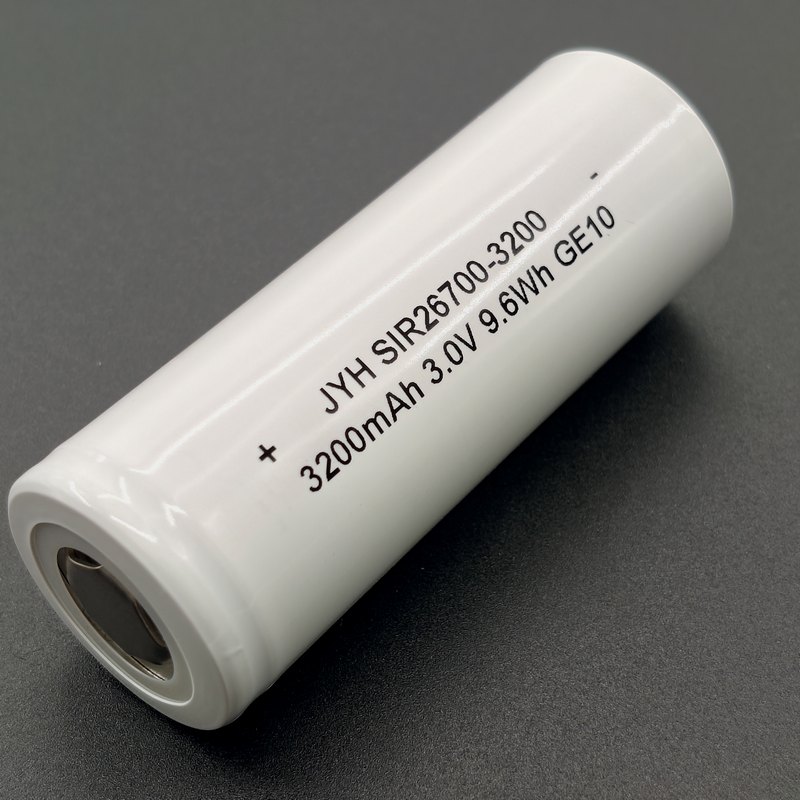
To highlight the performance gap, we can look at the operating parameters of different energy storage types. The table below illustrates how standard options compare against specialized cold-climate technologies.
Specification | Standard Lithium-Ion | Standard LiFePO4 | Specialized Cold Weather LiFePO4 | Lithium Titanate (LTO) |
Minimum Discharge Temp | -20°C | -20°C | -40°C | -50°C |
Minimum Charge Temp | 0°C | 0°C | -20°C to -40°C | -40°C |
Capacity at -20°C | < 50% | < 60% | > 80% | > 80% |
Safety Risk in Cold | High (Lithium Plating) | Medium | Very Low | Very Low |
External Heating Needed | Yes | Yes | No | No |
Choosing a power source requires evaluating your specific application, location, and power demands. Remote monitoring stations in northern climates have entirely different requirements than a backup lighting system in a climate-controlled warehouse.
GPS trackers and outdoor communication arrays rely heavily on consistent power to transmit data over long distances. If the transmission system fails, the asset becomes effectively lost. Utilizing a high capacity battery engineered for cold weather ensures these tracking devices maintain strong signal strength for weeks or months at a time, regardless of snowstorms or polar vortex events.
Off-grid solar installations face a unique challenge during winter. The days are shorter, providing less sunlight for charging, while the temperatures are at their lowest. If the storage bank cannot accept a charge safely below freezing, the system will completely shut down just when power is needed most. A dedicated solar battery lifepo4 designed for wide temperature ranges allows the system to harvest precious winter sunlight efficiently without requiring energy-draining heater blankets.
Safety regulations strictly dictate the performance requirements for emergency lighting. If the main power grid fails during a winter storm, building occupants rely on backup lights to navigate safely. Utilizing specialized LiFePO4 and LTO chemistries allows emergency lighting fixtures to comply with rigorous standards like UL924, ensuring reliable illumination even in unheated stairwells and outdoor egress paths.
Upgrading to specialized energy storage often carries a higher initial procurement cost compared to standard off-the-shelf units. This upfront investment pays off significantly over the lifespan of the equipment. Standard units deployed in freezing conditions degrade rapidly, requiring frequent and expensive replacement cycles.
Furthermore, the labor costs associated with dispatching technicians to remote locations to replace dead power cells quickly outpace the cost of buying premium equipment initially. By installing robust, temperature-resistant units, organizations decrease their maintenance overhead and drastically improve their system uptime.
Protecting your critical infrastructure requires proactive planning and a deep understanding of your operational environment. Analyzing the historical temperature data for your deployment sites allows you to set clear parameters for your energy storage requirements.
Collaborating with a reputable manufacturer early in the design phase ensures your equipment receives the exact chemical composition and physical formatting necessary for success. With the right technology in place, you eliminate the anxiety of winter power failures and guarantee your systems will perform when they are needed most. Review your current outdoor installations, audit their temperature specifications, and upgrade any vulnerable components before the next major freeze arrives.


