


Tel: +86-750-3806863
Email: sales@jyh-battery.com
Email: sales@jyh-battery.com
12, Bangmin Road, Jianghai District,Jiangmen City, Guangdong Province, P.R.China 529000


Most battery chemistries struggle when the temperature drops. Liquid electrolytes thicken, ion mobility slows, and capacity can plummet by 30–50% before you even hit -20°C. For applications deployed in cold climates—outdoor energy storage, emergency lighting, GPS systems, or remote sensing—this is m
Read More
Solar power doesn't stop when winter arrives—but standard batteries often do. If you live in a cold climate, your solar energy system needs storage that can handle freezing temperatures without losing capacity or risking damage. This is where cold weather LiFePO4 batteries change the game.In this ar
Read More
Freezing temperatures can quickly destroy standard energy storage systems. When the thermometer drops below zero, the chemical reactions inside a standard power cell slow down drastically. This sudden drop in performance leaves devices without power when they need it most.Fortunately, technological
Read More
Winter weather presents a massive challenge for energy storage systems. When temperatures drop significantly, many standard power sources lose capacity, fail to charge, or suffer permanent damage. This reality leaves outdoor enthusiasts, off-grid homeowners, and fleet managers wondering how to keep
Read More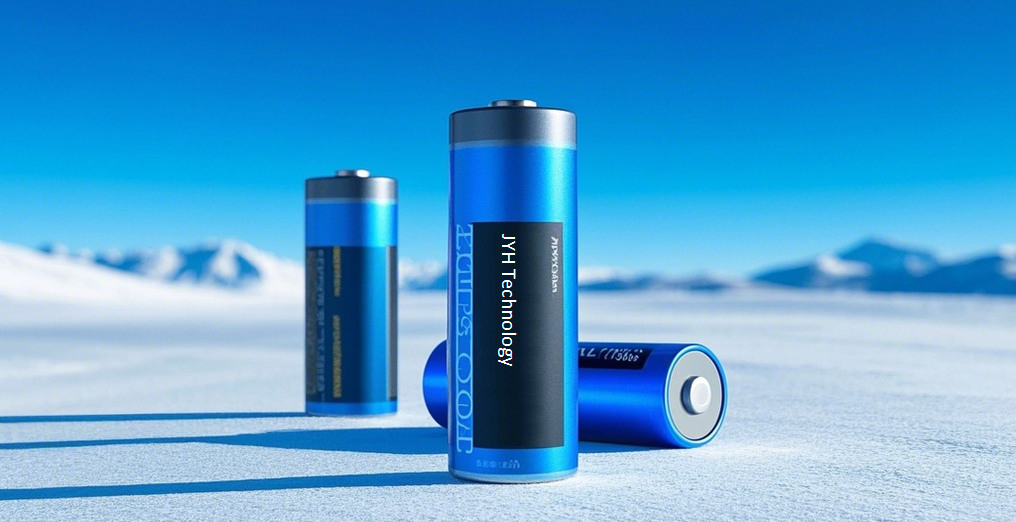
TL;DR: A cold weather LiFePO4 battery is specifically designed to charge and discharge safely in sub-zero temperatures, often down to -20°C or -40°C without requiring external heating components. You should choose this technology if your equipment operates in freezing environments where standard lit
Read More
