

Views: 0 Author: Site Editor Publish Time: 2026-05-20 Origin: Site


TL;DR: A cold weather LiFePO4 battery is specifically designed to charge and discharge safely in sub-zero temperatures, often down to -20°C or -40°C without requiring external heating components. You should choose this technology if your equipment operates in freezing environments where standard lithium-ion or lead-acid batteries would permanently lose capacity or create safety hazards.
Extreme cold is a notorious enemy of electronics. When temperatures plummet, the internal chemical reactions within standard power cells slow down significantly. This sluggish chemistry drastically reduces the available capacity and can cause permanent damage to the cell structure if charged improperly. Equipment operators in harsh climates constantly fight against sudden power failures, forcing them to replace traditional batteries frequently.
Solving this problem requires moving away from conventional battery chemistries and adopting specialized solutions built for severe environments. Engineers have developed advanced formulas that alter the internal electrolyte and cathode materials, allowing for safe charging and discharging even when the thermometer drops far below freezing. These robust power sources ensure that critical devices remain functional when you need them the most.
Understanding the specific requirements of your application is the first step in finding a reliable solution. Whether you manage outdoor surveillance systems, emergency lighting, or industrial sensors, selecting the proper cold weather lifepo4 battery prevents catastrophic failures. JYH Technology specializes in these low-temperature solutions, delivering cells that maintain over 80% capacity even at -20°C.
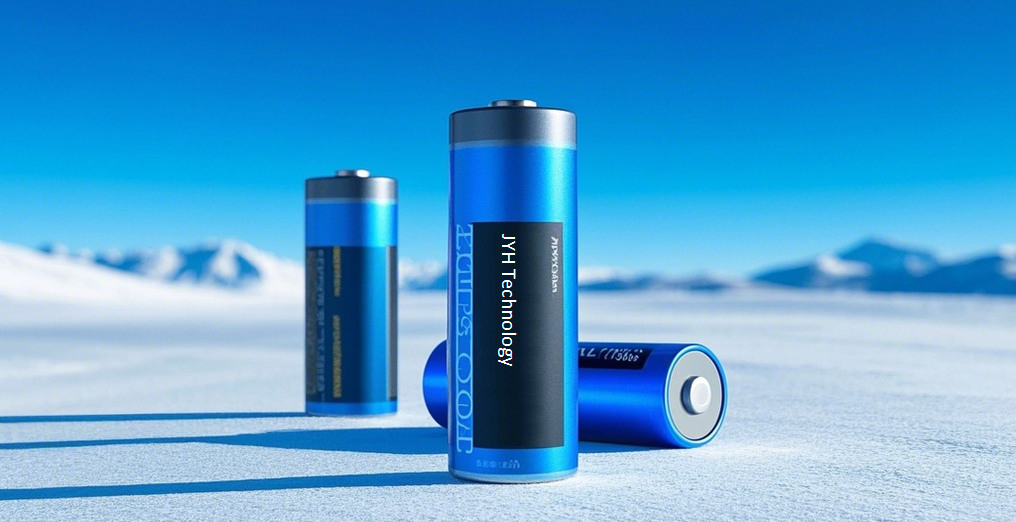

Most consumer-grade batteries are designed to operate optimally at room temperature. When exposed to freezing conditions, standard lithium-ion cells experience a sharp increase in internal resistance. This resistance forces the battery to work much harder to deliver the same amount of power, leading to a massive drop in efficiency.
Attempting to charge a standard lithium battery below 0°C causes a phenomenon known as lithium plating. Instead of safely intercalating into the graphite anode, lithium ions build up on the surface as metallic lithium. According to battery safety guidelines [IEC 62620, 2014], this plating can cause internal short circuits, leading to thermal runaway or immediate cell death.
If your devices sit outdoors all year, you must account for these winter vulnerabilities. Homeowners and security installers who rely on a smart home battery for outdoor cameras or alarms often find their systems dead after the first major frost. Upgrading to chemistry specifically formulated for low temperatures eliminates this frustrating maintenance cycle.
Manufacturers like JYH Technology achieve cold-weather resilience through rigorous chemical engineering. By modifying the electrolyte solvents and utilizing proprietary additives, these advanced cells maintain high ionic conductivity even at -40°C.
These batteries also feature optimized electrode designs that facilitate faster ion transfer. Because they do not rely on bulky external heating pads, the overall system design remains compact and energy-efficient. You save space, reduce weight, and lower the overall power consumption of your device.

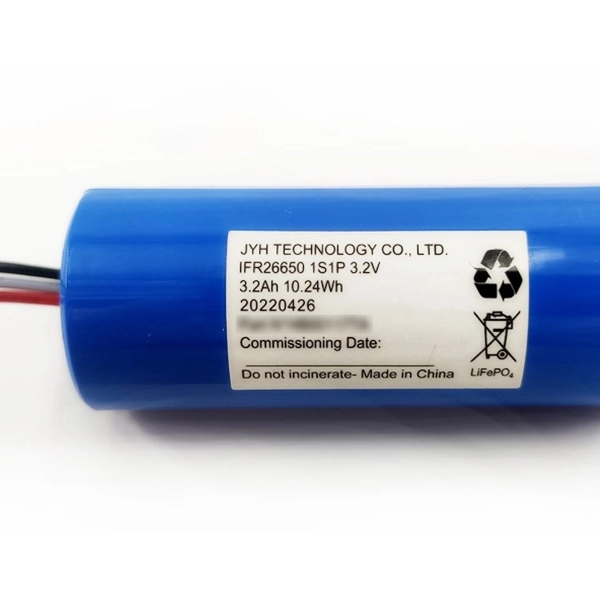
Different applications require different chemical makeups. The table below outlines how various battery technologies perform in freezing environments.
Battery Chemistry | Minimum Operating Temperature | Cycle Life | Best Use Case |
Standard Li-ion | 0°C | 500 cycles | Indoor consumer electronics |
Low-Temp LiFePO4 | -20°C to -40°C | 2000+ cycles | Cold climate outdoor equipment |
Lithium Titanate | -40°C | 10000+ cycles | High-reliability industrial systems |
Lead Acid | -15°C | 300 cycles | Traditional automotive |
Choose Low-Temp LiFePO4 if balancing cost, weight, and extreme weather capability matters more than ultra-high cycle counts. Choose Lithium Titanate if your application demands rapid charging and tens of thousands of cycles, regardless of the higher initial cost.
Some electronics cannot afford a single moment of downtime. Emergency lighting, medical transport equipment, and off-grid communication arrays must function flawlessly regardless of the weather. Relying on a standard battery in these scenarios introduces unacceptable risks.
For instance, an uninterruptible power supply in a remote telecom tower requires a dependable backup power battery to keep signals broadcasting during winter storms. If the cells freeze and fail to discharge, the entire network goes dark. By implementing specialized low-temperature chemistry, infrastructure managers ensure that backup systems instantly take over during grid failures, completely bypassing the risks of cold-weather voltage drops.
Preparing your equipment for freezing conditions is not a luxury; it is an operational necessity. Standard power cells simply cannot withstand the chemical stress of sub-zero temperatures, leaving your critical systems vulnerable to sudden failure. By transitioning to advanced cell technologies, you protect your investments and guarantee reliable performance in any climate.
Review your current power systems and identify any devices exposed to harsh winter elements. Contact the experts at JYH Technology to discuss how low-temperature battery solutions can be integrated into your specific applications. Taking proactive steps today ensures you never lose power when the temperature drops tomorrow.
Yes. Specialized low-temperature LiFePO4 batteries from JYH Technology are chemically engineered to accept a charge safely at temperatures as low as -20°C, and in some custom designs, down to -40°C without the risk of lithium plating.
When used within their specified temperature ranges, these batteries typically offer a lifespan of 2,000 to over 10,000 cycles depending on the exact chemistry (such as LiFePO4 vs. Lithium Titanate). They significantly outlast standard batteries used in the same freezing conditions.
No. Advanced cold-weather batteries rely on modified electrolytes and electrode structures to maintain conductivity. They do not require external heating components, making them more efficient and easier to integrate into small devices.
Cold-weather batteries require a higher initial investment due to the specialized materials and advanced engineering involved. However, they drastically reduce replacement costs and maintenance labor, resulting in a much lower total cost of ownership for outdoor applications.


