

Views: 0 Author: Site Editor Publish Time: 2026-09-02 Origin: Site


Standard batteries lose capacity fast below freezing, but specialized lithium iron phosphate cells keep working. A well-built battery of this type can charge and discharge at -20°C while retaining more than 80% of its rated capacity, and certain designs can even charge safely down to -40°C without any heating components.
Freezing weather is brutal on batteries. A cell that hums along at room temperature can lose a large chunk of its usable capacity once the mercury drops below zero. Discharge slows, voltage sags, and in the harshest conditions, the battery simply stops. That's a serious problem for anyone running equipment outdoors during winter—from solar-powered sensors on remote hillsides to security cameras guarding a snow-covered site.
This post breaks down exactly how cold weather affects battery performance, why lithium iron phosphate chemistry stands out in the cold, and where sub-zero-rated cells make the biggest difference. You'll walk away knowing what specifications to look for and which applications benefit most.
Chemistry slows down when it gets cold. Inside any battery, ions move between the anode and cathode to store and release energy. Lower temperatures thicken the electrolyte and slow that ion movement, which reduces both capacity and the rate at which power can flow.
For standard cells, the effects are dramatic. Many lose 30% or more of their capacity once temperatures fall below freezing. Charging a standard lithium cell below 0°C is even riskier—it can cause lithium plating on the anode, which permanently damages the cell and creates a safety hazard.
According to JYH Technology, a battery specialist founded in 1999, cells engineered specifically for the cold tell a very different story. A properly designed low temperature LiFePO4 battery can charge and discharge at -20°C while holding more than 80% of its capacity, and its cycle life at that temperature remains acceptable.
Lithium iron phosphate—often written as LiFePO4—has earned a strong reputation for safety and long cycle life. When the chemistry and cell construction are optimized for cold conditions, it becomes one of the most dependable options for freezing environments.
The standout advantage of a purpose-built low temperature LiFePO4 battery is that it needs no heating elements. Many cold-weather power systems rely on internal heaters to keep cells warm enough to function, which drains energy and adds failure points. JYH reports that certain LiFePO4 designs can charge at -40°C with no safety risk and no heating components required. That means simpler systems, fewer parts to fail, and steadier performance through a long winter.
The numbers below show how performance shifts as temperatures drop across different battery types.
Battery type | Cold-weather charging | Capacity retention | Cycle life note |
|---|---|---|---|
Standard lithium cell | Not recommended below 0°C | Often loses 30% or more below freezing | Charging in cold can cause permanent damage |
Low temperature LiFePO4 | Charge and discharge at -20°C | Greater than 80% at -20°C | Cycle life test at -20°C is acceptable |
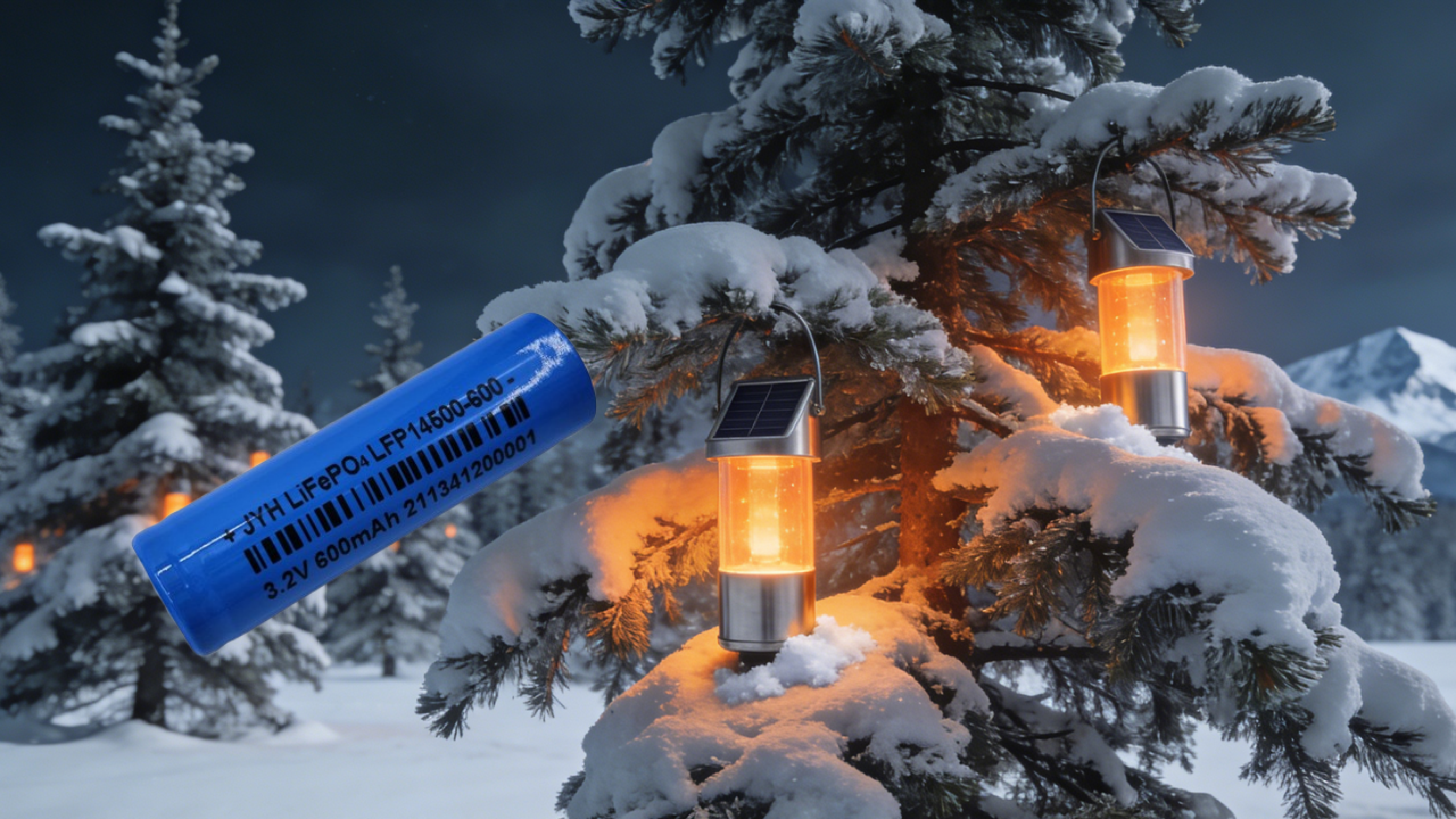
US emergency light LiFePO4 | Charge at -30°C, no safety risk | Greater than 90% at -5°C | ≥500 cycles at -5°C |
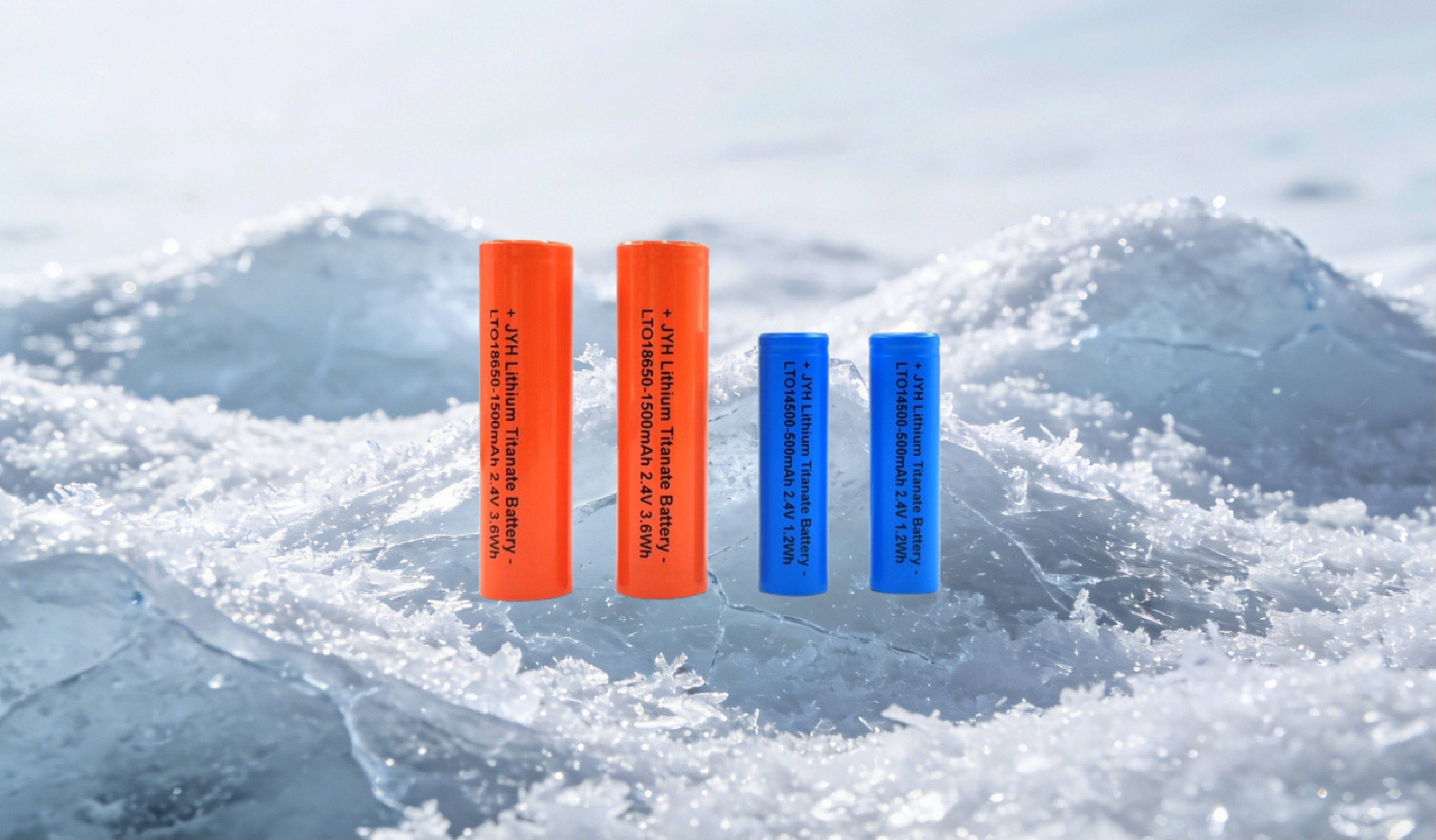
Lithium titanate (LTO) | Charge and discharge at -40°C | Greater than 60% at -40°C | 100% DOD cycle life above 10,000 cycles |
Remote monitoring equipment often sits far from any wall outlet, relying on solar panels and battery storage to stay alive. When these units operate in cold regions, the battery becomes the weak link—unless it's built for the job.
A GPS Solar tracker low temperature LiFePO4 battery solves the two biggest cold-weather headaches at once. First, it can accept a charge from solar panels even when temperatures sit well below freezing, so the unit keeps topping up during short, cold winter days. Second, it discharges reliably overnight to power GPS transmitters, sensors, and communication modules.
Because the right GPS Solar tracker low temperature LiFePO4 battery needs no heating system, the whole tracker draws less power and has fewer components that could quit in the field. For asset tracking, wildlife monitoring, and remote environmental stations, that reliability is the difference between clean data and a dead unit.
Security cameras, motion sensors, and alarm panels don't get a winter break. They need steady power through the coldest nights of the year, often in locations without easy access to mains electricity.
An Outdoor Security LiFePO4 battery is engineered to deliver exactly that. It maintains strong capacity in freezing conditions, so a camera keeps recording and a sensor keeps watching even when a standard battery would have shut down. LiFePO4 chemistry also brings a long cycle life, which matters for equipment expected to run for years with minimal maintenance.
Choose an Outdoor Security LiFePO4 battery when your site sees regular sub-zero temperatures and you can't afford surveillance gaps. For milder climates, a standard cell may suffice—but if reliability through hard frost is the priority, a cold-rated LiFePO4 pack is the clear pick.
Not every cell marketed for winter use performs the same. Focus on a few key specifications:
Charging temperature range. Confirm the lowest temperature at which the battery can safely accept a charge, not just discharge.
Capacity retention. Look for verified figures at your expected operating temperature, such as greater than 80% at -20°C.
Cycle life in the cold. A battery that survives hundreds of cycles at low temperatures will last far longer in the field.
No-heater design. Cells that work without heating components simplify your system and cut power draw.
Compliance standards. Certifications like IEC 62620 or UL924 signal tested, verified performance.
Sub-zero performance comes down to chemistry and cell design—not luck. Standard cells falter in the cold, while purpose-built lithium iron phosphate packs keep charging, discharging, and lasting through hard frost. Whether the goal is uninterrupted surveillance, dependable remote tracking, or safe charging at extreme lows, the right battery removes cold weather as a risk. To keep your outdoor systems running all winter, match your specifications to your climate and lean toward tested, no-heater designs; a battery specialist such as JYH Technology can help you pinpoint the cell that fits your application and your coldest expected temperatures.
Most standard lithium cells begin losing significant capacity once temperatures drop below 0°C, often shedding 30% or more. Charging a standard cell below freezing is generally not recommended, since it can cause permanent damage and safety risks.
Yes, when built for it. A cold-rated LiFePO4 cell can charge and discharge at -20°C while keeping more than 80% of its capacity. JYH reports certain designs can charge at -40°C with no safety risk and no heating components.
Not the well-designed ones. A key advantage of purpose-built LiFePO4 cells is that they operate without heating elements, which reduces power draw, lowers cost, and removes potential points of failure.
For temperatures approaching -40°C, lithium titanate (LTO) cells stand out, offering greater than 60% capacity at -40°C and more than 10,000 cycles at full depth of discharge. For moderate sub-zero conditions, a low-temperature LiFePO4 cell balances performance, cost, and cycle life well.
LiFePO4 chemistry is known for long cycle life. Some emergency-lighting versions are rated for at least 500 cycles at -5°C, and lithium titanate variants can exceed 10,000 cycles, making them suited to equipment expected to run for years.


