

Views: 6540 Author: Site Editor Publish Time: 2018-08-08 Origin: Site


In today’s technology-driven world, energy storage plays a pivotal role in powering everything from smartphones to electric vehicles. Among various battery types, the Li-ion Battery stands out for its efficiency, longevity, and versatility. This article delves into what a Li-ion battery is, its advantages, applications, and maintenance tips, helping consumers and businesses make informed decisions.
A Li-ion Battery (Lithium-ion Battery) is a rechargeable energy storage device that relies on lithium ions moving between the anode and cathode during charging and discharging cycles. Its compact size, high energy density, and minimal memory effect make it one of the most preferred battery types in modern electronics.
Unlike traditional batteries, Li-ion batteries do not require periodic discharge to maintain their capacity. This makes them highly efficient and convenient for everyday applications.
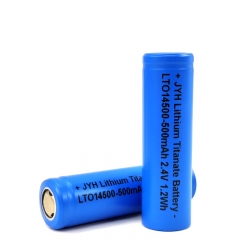
Li-ion batteries are widely used due to their remarkable characteristics, including:
| Feature | Description |
|---|---|
| High Energy Density | Li-ion batteries store more energy in a smaller volume compared to other rechargeable batteries. |
| Low Self-Discharge | Retains most of its charge when not in use, reducing energy waste. |
| Lightweight | Ideal for portable devices like smartphones, laptops, and drones. |
| Long Cycle Life | Can undergo hundreds to thousands of charge-discharge cycles with minimal performance loss. |
| Fast Charging | Supports rapid charging with appropriate chargers and management systems. |
Efficiency: Li-ion batteries have a high energy conversion rate, meaning more stored energy is usable.
Portability: Lightweight construction allows for compact designs in electronics.
Eco-Friendly: Compared to lead-acid or nickel-cadmium batteries, Li-ion batteries contain fewer toxic metals.
Low Maintenance: Requires minimal upkeep, no need for frequent discharging.
High Voltage Capacity: Each cell provides a higher voltage, reducing the number of cells required in a battery pack.
Li-ion batteries are ubiquitous in both consumer electronics and industrial applications. Some notable applications include:
| Application | Description |
|---|---|
| Smartphones & Laptops | Powers portable devices efficiently while maintaining long battery life. |
| Electric Vehicles (EVs) | Supports high-energy demands of EVs with fast charging and lightweight design. |
| Renewable Energy Storage | Stores energy from solar panels and wind turbines for later use. |
| Power Tools | Provides portable and high-power energy for cordless tools. |
| Medical Devices | Powers devices like pacemakers, insulin pumps, and portable diagnostic equipment. |
Proper maintenance can extend the lifespan and efficiency of a Li-ion battery:
Avoid Overcharging: Use chargers compatible with your battery and avoid keeping it plugged in continuously.
Moderate Temperature: Li-ion batteries are sensitive to extreme temperatures. Avoid exposing them to heat or freezing conditions.
Partial Discharge: Regular partial discharges (20–80%) are better than full discharge cycles.
Storage: If storing for long periods, keep the battery at around 50% charge in a cool environment.
Avoid Physical Damage: Prevent punctures, drops, or bending of battery packs.
Memory Effect: Unlike older Ni-Cd batteries, Li-ion batteries do not suffer from memory effect.
Battery Explosion: While rare, explosions occur due to misuse, overcharging, or damage. Using certified chargers and proper handling ensures safety.
Charging Speed Deteriorates Life: Modern Li-ion batteries are designed to handle fast charging without significant degradation.
| Battery Type | Advantages | Disadvantages |
|---|---|---|
| Li-ion Battery | High energy density, lightweight, low self-discharge, long life | Sensitive to high temperatures, expensive |
| Lead-Acid Battery | Cheap, reliable for stationary storage | Heavy, low energy density, short lifespan |
| NiMH Battery | Good cycle life, environmentally safer than Ni-Cd | Lower energy density, higher self-discharge |
| Ni-Cd Battery | Durable, handles high discharge rates | Memory effect, toxic materials, lower energy density |
From this comparison, it’s clear why Li-ion batteries dominate portable electronics and modern electric vehicles.
A Li-ion battery is used in smartphones, laptops, electric vehicles, renewable energy storage, power tools, and medical devices due to its high energy density and lightweight design.
A Li-ion battery typically lasts 2–3 years or 300–500 full charge cycles, depending on usage and maintenance.
Overcharging is not recommended. Most devices have built-in protection circuits, but using the correct charger is essential to prevent damage or safety risks.
Yes, when used and stored properly. Avoid punctures, overheating, or using unapproved chargers.
Yes. Li-ion batteries should be recycled at certified facilities to recover lithium, cobalt, and other valuable metals, reducing environmental impact.
Capacity Needs: Check mAh (milliampere-hour) ratings for small devices and Ah (ampere-hour) ratings for larger applications like EVs.
Voltage Requirements: Ensure compatibility with your device’s voltage requirements.
Brand Reliability: Choose reputable manufacturers with safety certifications.
Form Factor: Select the battery size and shape that fits your device.
Cycle Life: Longer cycle life batteries are ideal for frequent use applications.
The demand for Li-ion batteries continues to grow with the rise of electric vehicles, renewable energy storage, and portable electronics. Innovations such as solid-state Li-ion batteries and silicon-anode batteries promise even higher energy densities, faster charging, and safer operation, paving the way for the next generation of energy storage.
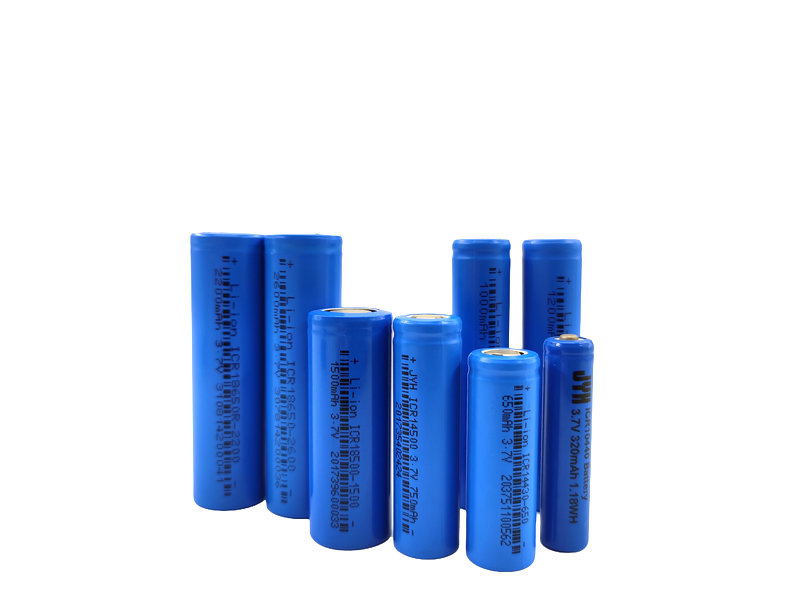
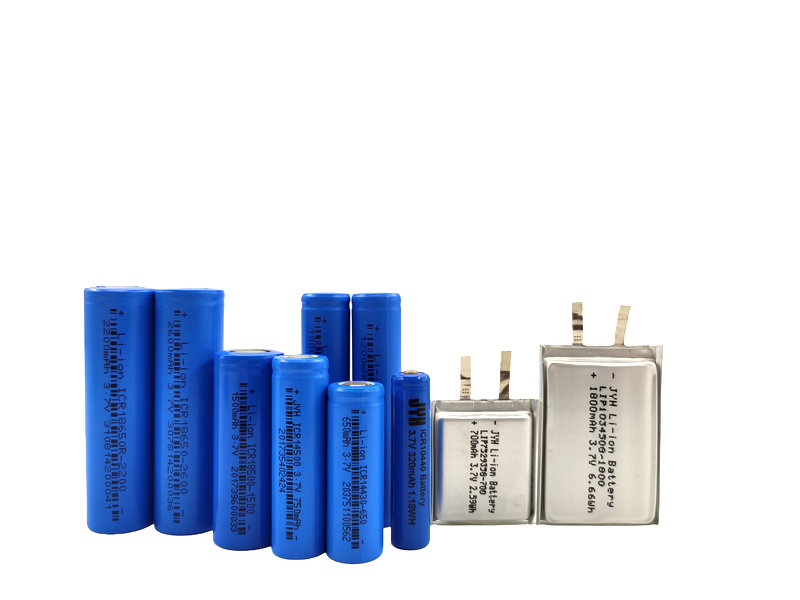
Li-ion batteries have revolutionized the way we store and use energy. From powering smartphones to enabling sustainable transport solutions, these batteries are integral to modern life. Proper maintenance and understanding of their specifications can extend battery life and maximize performance. For businesses and consumers seeking reliable Li-ion battery solutions, JYH Technology offers high-quality, certified batteries suitable for various applications.
Email: sales@jyh-battery.com
Phone: +86-750-3806863


