

Views: 0 Author: Site Editor Publish Time: 2026-05-07 Origin: Site


TL;DR: A dependable energy storage system provides essential electricity during unexpected grid outages. You should choose Lithium Iron Phosphate (LiFePO4) technology if longevity and safety matter most, as these units offer extensive cycle life and operate safely without external heating in extreme conditions.
Consistent electricity is critical for modern commercial operations, healthcare facilities, and smart homes. Grid instability and severe weather events frequently disrupt standard power grids, leaving sensitive equipment vulnerable to sudden shut-downs. Facility managers and homeowners must secure alternative energy sources to maintain seamless operations during these outages.
Finding the right hardware requires careful consideration of chemistry, capacity, and environmental conditions. Installing a reliable backup power battery ensures that essential devices—from medical monitors to security servers—remain online when the primary grid fails. Navigating the diverse range of available technologies can be challenging without a clear understanding of your specific energy demands.
This guide explores the foundational criteria for evaluating emergency energy systems. By analyzing cycle life, charging speeds, and thermal resilience, you can confidently select a solution that matches your operational requirements and environmental constraints.


Evaluating energy storage goes far beyond simply looking at voltage and capacity. You must understand how the unit will behave over thousands of charge and discharge cycles, especially during high-demand scenarios.
Cycle life refers to the total number of complete charge and discharge sequences a cell can undergo before its capacity drops below a specified threshold, typically 80% of its original rating. Standard lead-acid units often degrade significantly after just 500 cycles. Conversely, advanced lithium iron phosphate technology consistently delivers over 3,000 cycles at a high depth of discharge.
Choose a high-cycle system if your application requires frequent cycling, such as off-grid solar storage. The initial purchase price of advanced lithium chemistry is higher than traditional alternatives, but the extended lifespan drastically reduces the total cost of ownership over a ten-year period.
Emergency power sources must replenish quickly after an outage to prepare for the next potential grid failure. Some applications demand rapid energy replenishment to keep fleets or portable devices operational. Integrating a fast charging battery into your infrastructure minimizes downtime and enhances overall productivity.
According to industry standards, advanced lithium titanate (LTO) cells can safely absorb high currents, reaching a full charge in a fraction of the time required by standard lithium-ion cells. Rapid replenishment is particularly important for emergency response vehicles and medical carts that cannot remain tethered to a wall outlet for hours at a time.
Different applications demand specific performance characteristics. The table below outlines the core differences between popular energy storage technologies to help you identify the best fit for your facility.
Cell Chemistry | Average Cycle Life | Optimal Thermal Range | Primary Use Case |
Sealed Lead-Acid | 300 to 500 cycles | 15°C to 25°C | Basic desktop UPS systems |
Lithium Iron Phosphate | 3,000+ cycles | -20°C to 60°C | Solar storage and commercial power |
Lithium Titanate (LTO) | 10,000+ cycles | -40°C to 60°C | Extreme cold environments |
Nickel-Metal Hydride | 1,000 cycles | 0°C to 40°C | Small portable electronics |

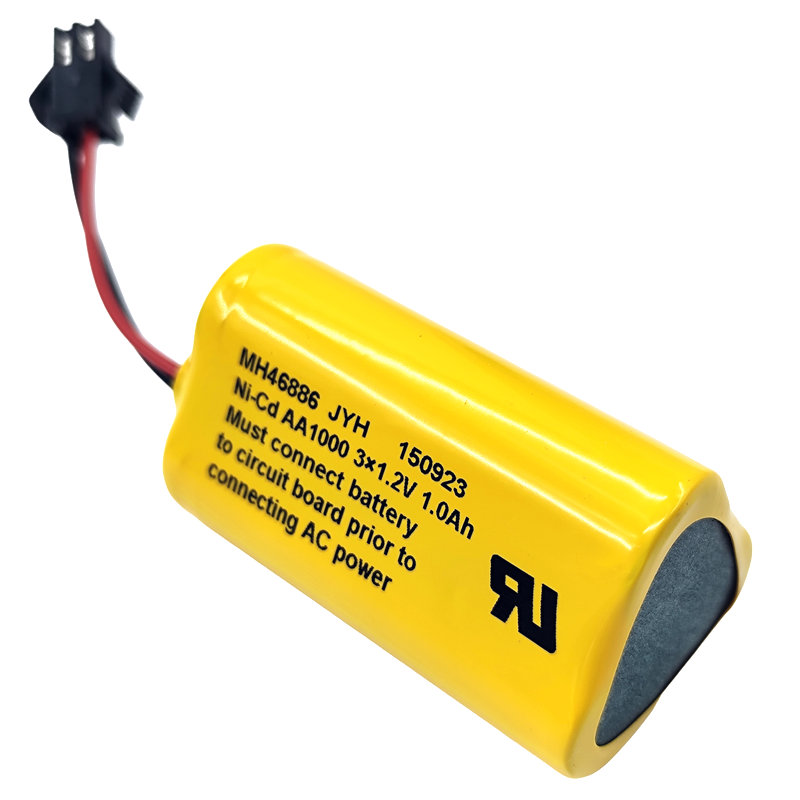
Environmental conditions heavily influence the performance and safety of energy storage devices. Facilities located in regions with severe weather must prioritize thermal resilience when designing their infrastructure.
Charging standard lithium-ion cells in sub-zero temperatures causes lithium plating. This phenomenon occurs when lithium ions accumulate on the surface of the anode instead of intercalating into it, leading to irreversible capacity loss and a high risk of internal short circuits. Specialized low-temperature cells solve this problem through modified electrolytes and advanced internal structures, allowing safe operation down to -40°C without requiring heavy, power-draining heating blankets.
Excessive heat accelerates the degradation of internal chemical components, rapidly reducing the operational lifespan of the unit. In industrial settings with heavy machinery or poorly ventilated enclosures, ambient temperatures often exceed the safe limits of standard cells. Deploying a specialized High Temperature battery mitigates these risks by utilizing robust materials that withstand continuous operation up to 85°C. These heat-resistant units prevent thermal runaway and maintain stable energy delivery, making them ideal for outdoor telecom base stations and heavy manufacturing plants.
Investing in robust energy storage protects your operations against unpredictable power disruptions. Evaluating your specific needs—such as the frequency of outages, charging time requirements, and local climate conditions—allows you to select the most efficient technology for your site.
To take the next step, audit your facility's critical load requirements. Calculate the total wattage of the devices that must remain operational during a blackout, and consult with a reputable manufacturer to design a tailored system that guarantees reliability when you need it most.
The initial cost varies based on capacity and chemistry. A small commercial LiFePO4 system typically ranges from $2,000 to $5,000, while large-scale industrial arrays can exceed $50,000.
Lifespan depends heavily on usage and environmental factors. Lead-acid systems usually require replacement every three to five years, whereas high-quality LiFePO4 systems often last ten to fifteen years under normal operating conditions.
The primary risk is thermal runaway, which can lead to fires or toxic gas emissions. You should choose LiFePO4 technology for indoor installations, as its stable chemical structure makes it inherently resistant to combustion compared to standard lithium cobalt oxide cells.
Yes. Sodium-ion technology is emerging as a cost-effective alternative that performs exceptionally well in cold temperatures, though it currently offers lower energy density than lithium-based options.
Organizations operating in extreme sub-zero climates or those requiring rapid, continuous charge cycles benefit most from LTO technology. Choose LTO if rapid charging and extreme cold tolerance matter more than minimizing the physical footprint of the system.


