


CN:


Views: 0 Author: Site Editor Publish Time: 2026-05-21 Origin: Site


Quick answer: A dependable emergency energy system provides essential electricity during grid outages. You should choose Lithium Iron Phosphate (LiFePO4) technology if longevity and safety matter most, as these units offer extensive cycle life and operate safely without external heating in extreme conditions down to -20°C [JYH Technology, 2026].
Power outages occur with increasing frequency due to extreme weather events and aging infrastructure. Homeowners often find themselves without electricity for hours or even days. This disruption affects everything from keeping food cold to maintaining critical medical equipment. A robust energy storage solution provides peace of mind when the grid fails.
Investing in a high-quality backup power battery ensures your household continues to function smoothly during unpredictable blackouts. Modern storage systems replace noisy, gas-guzzling generators with clean, silent energy. These advanced units integrate seamlessly into your residential electrical panel.
Understanding the technical specifications of different energy storage systems takes time. Manufacturers utilize various chemical compositions, each offering distinct advantages and limitations. By evaluating your specific household requirements, you can select a system that delivers reliable electricity exactly when you need it.

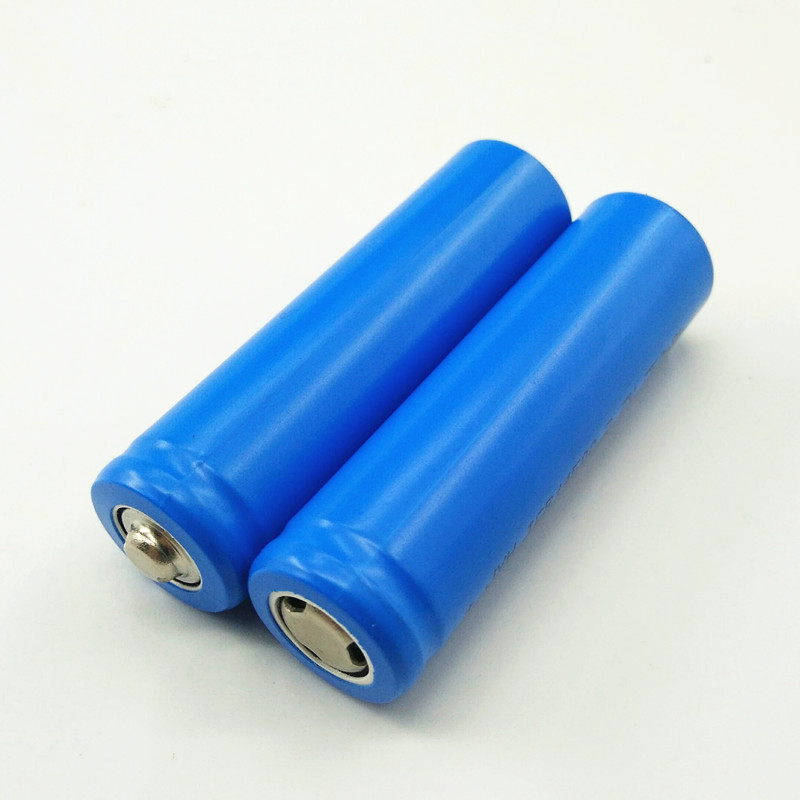
Home energy storage systems offer significant advantages beyond simple convenience. These units protect sensitive electronics from power surges and brownouts that frequently accompany grid instability. You can keep critical appliances running without interruption, preventing food spoilage and maintaining indoor climate control.
Many modern units also integrate with solar panels. This integration allows you to capture surplus solar energy during the day and consume it at night. This practice reduces reliance on utility companies and lowers monthly electricity bills.
Different technologies serve different purposes. The market primarily features three lithium-based chemistries. You should evaluate these options based on your budget, space constraints, and environmental conditions.
Chemistry Type |
Cycle Life |
Optimal Temperature Range |
Key Advantage |
Lithium Iron Phosphate (LiFePO4) |
Up to 10,000 cycles |
-20°C to 60°C |
Superior thermal stability and safety |
Lithium Titanate (LTO) |
Over 10,000 cycles |
-40°C to 50°C |
Excellent extreme cold weather performance |
Nickel Cobalt Manganese (NCM) |
1,000 to 2,000 cycles |
-10°C to 45°C |
High energy density for compact spaces |
Choose LiFePO4 if safety and long-term durability matter more than physical size. Choose NCM if you have limited installation space and need maximum energy density.
Grid outages sometimes happen in rolling waves. You might only get a few hours of electricity before the grid goes down again. In these situations, your storage system needs to recharge as quickly as possible.
A reliable fast charging battery solves this problem by absorbing maximum current in a minimal timeframe. Lithium Titanate (LTO) cells excel in this area. According to industry data, LTO units can often reach a full charge in a fraction of the time required by traditional lead-acid alternatives [JYH Technology, 2026]. This rapid replenishment ensures you are always prepared for the next wave of outages.
Standard power cells lose significant capacity when exposed to freezing temperatures. The internal chemical reactions slow down, drastically reducing the amount of available electricity. If you live in a region with harsh winters, a standard unit might fail precisely when you need it for heating.
Advanced LiFePO4 and LTO units solve this freezing problem. These specialized cells charge and discharge safely in sub-zero environments. Some models operate efficiently at -40°C without requiring external heating components. This resilience guarantees your system will perform flawlessly during severe winter storms.

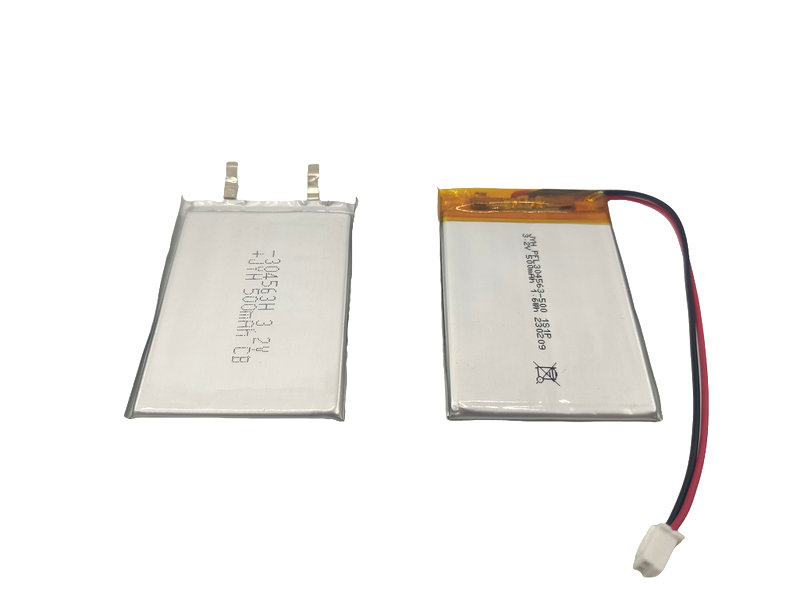
Modern households utilize dozens of connected devices. Your storage system needs to communicate intelligently with your electrical panel and your appliances. This communication ensures that critical loads receive priority when stored energy runs low.
A dedicated smart home battery provides this intelligent management. These systems monitor your energy consumption patterns and adjust output automatically. They can switch from grid power to stored power in milliseconds, keeping your computers and internet routers online without a noticeable flicker.
Securing your residential energy supply requires careful planning and the right technology. By understanding the differences in chemical compositions and charging capabilities, you can build a resilient system that protects your household. Evaluate your typical energy consumption, consider your local climate conditions, and consult with a certified installer to design the perfect setup for your needs.
The total cost typically ranges from $10,000 to $20,000, including the hardware and professional installation. The final price depends heavily on the capacity you require and the specific chemistry you select.
A standard residential installation takes one to two days to complete. However, securing the necessary municipal permits and utility approvals can take several weeks prior to the actual physical installation.
Thermal runaway presents the primary risk for standard lithium-ion units if they are physically damaged or overcharged. You can mitigate this risk by choosing LiFePO4 chemistry, which features superior thermal stability and resists catching fire.
Gasoline or standby natural gas generators serve as the primary alternatives to chemical storage. Choose a standby generator if you require continuous power for weeks at a time and have access to a reliable municipal natural gas line.
These systems are ideal for homeowners living in areas with frequent grid instability, residents dealing with extreme weather conditions, and individuals seeking to maximize their existing residential solar panel investments.


