

Views: 0 Author: Site Editor Publish Time: 2026-06-11 Origin: Site


Freezing temperatures can quickly destroy standard energy storage systems. When the thermometer drops below zero, the chemical reactions inside a standard power cell slow down drastically. This sudden drop in performance leaves devices without power when they need it most.
Fortunately, technological advancements have led to specialized power solutions designed to withstand extreme cold. Consumers and businesses no longer have to worry about sudden power failures during winter months. By choosing the right energy storage system, you can maintain reliable power in the harshest environments.
This guide explores the engineering behind these specialized power cells. You will learn how a standard LiFePO4 battery compares to a low temp battery, and why upgrading to a cold weather lifepo4 battery is essential for winter operations. We will also examine the safety features that make these units suitable for freezing climates.
Lithium iron phosphate (LiFePO4) power cells are renowned for their safety, long lifespan, and stable chemistry. Unlike other lithium-ion variants, a LiFePO4 battery uses iron phosphate as the cathode material. This specific chemical makeup provides excellent thermal stability. If the cell undergoes physical damage or short-circuiting, it is highly unlikely to catch fire.
According to industry data from 2023, standard LiFePO4 units offer a cycle life of 2,000 to 5,000 charge cycles. They also maintain a consistent discharge voltage, delivering steady power until the cell is nearly depleted.
However, standard LiFePO4 chemistry has a notable limitation. When temperatures drop below 0°C (32°F), charging standard units becomes dangerous. Forcing a charge into a cold cell causes lithium plating, where lithium metal accumulates on the anode. This plating permanently damages the cell and creates severe safety hazards.
A low temp battery is specifically engineered to overcome the cold weather limitations of standard cells. Manufacturers achieve this by modifying the internal chemistry and physical structure of the cell. They utilize specialized electrolytes that remain fluid at sub-zero temperatures, allowing lithium ions to move freely between the anode and cathode.
By enhancing the conductivity of the electrolyte, a low temp battery can safely accept a charge even when ambient temperatures plummet. Some advanced models also incorporate proprietary cell designs that reduce internal resistance. Lower internal resistance means the cell generates less heat during operation and maintains higher efficiency in cold environments.
Companies like JYH Technology have developed extensive solutions in this category. Their low temperature units allow for safe charging and discharging at -20°C, maintaining a capacity greater than 80%. This technological leap removes the need for external heating components, simplifying system design and reducing overall energy consumption.
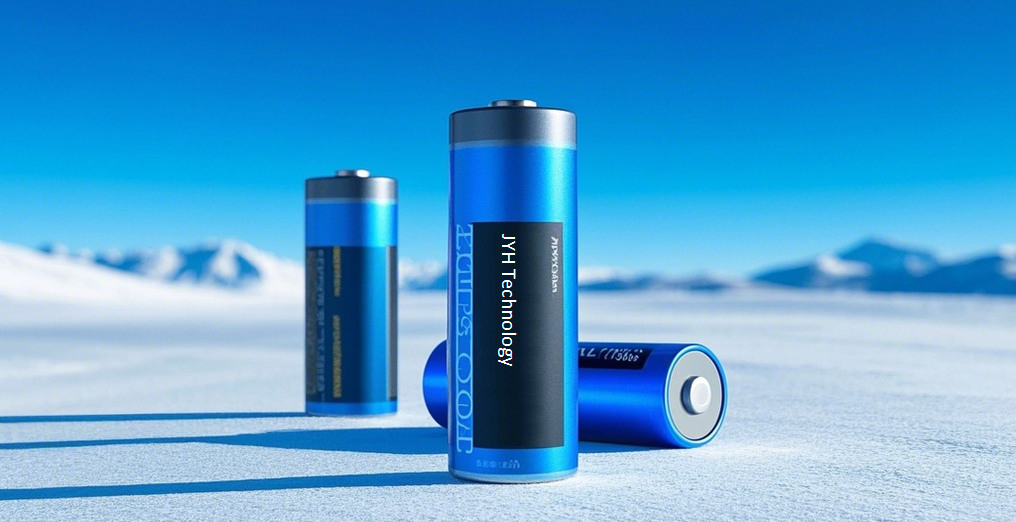
Yes, cold weather LiFePO4 batteries are entirely safe to use during winter. In fact, they are the safest option available for extreme cold environments. Because manufacturers design a cold weather lifepo4 battery with specialized cold-weather electrolytes, the risk of lithium plating is virtually eliminated.
You can safely charge and discharge these specific units in sub-zero conditions without damaging the internal structure. According to specifications from JYH Technology, their premium cold weather cells can operate safely at temperatures as low as -40°C.
To help you understand the differences, the following table compares standard units with specialized cold weather models.
Feature | Standard LiFePO4 | Cold Weather LiFePO4 |
|---|---|---|
Safe Charging Temperature | 0°C to 45°C | Down to -20°C (or -40°C for premium models) |
Cold Weather Capacity | Drops significantly below 0°C | Retains >80% capacity at -20°C |
Lithium Plating Risk | High if charged below freezing | Minimal to none |
Heating Components | Required for winter charging | Not required |
Best Use Case | Indoor or mild climates | Extreme winter environments |
Choose a standard unit if your equipment operates in climate-controlled environments. Choose a cold weather lifepo4 battery if your applications face freezing outdoor temperatures, such as emergency lighting, remote sensors, or off-grid solar systems.
When sourcing power solutions for winter applications, selecting a reputable manufacturer is crucial. The production of a reliable cold weather lifepo4 battery requires rigorous testing and advanced engineering.
JYH Technology operates as a national high-tech enterprise with decades of experience in the battery industry. Their R&D center is equipped with chemistry, physics, and safety testing labs to ensure every low temp battery meets strict international standards.
By utilizing extensive testing protocols, including cycle life tests at -20°C, JYH Technology ensures maximum reliability. You can explore their full range of specialized power solutions by visiting www.jyh-battery.com.
Cold weather units use specialized electrolytes that prevent freezing and allow lithium ions to move freely at sub-zero temperatures. This prevents lithium plating and permanent damage during winter charging.
No. High-quality low temp batteries, such as those manufactured by JYH Technology, are chemically designed to handle freezing temperatures. They do not require external or internal heating components to charge safely.
A well-maintained cold weather lifepo4 battery can easily last over 2,000 cycles, similar to standard models. Operating them within their specified temperature ranges ensures maximum longevity.
Yes. Specialized low temperature models comply with safety standards like UL924, making them ideal for emergency lighting and crucial backup systems in cold environments.
Preparing for winter requires equipment that can withstand the elements. Relying on standard power cells in freezing conditions leads to unexpected failures and safety hazards. By utilizing specialized chemistry, a low temp battery ensures your systems remain operational regardless of the weather.
Upgrading to a cold weather lifepo4 battery eliminates the need for bulky heating pads and complicated thermal management systems. Partnering with experienced manufacturers like JYH Technology guarantees that your energy storage solutions are tested, proven, and ready for extreme climates.
Quick answer: Cold weather LiFePO4 batteries are extremely safe to use in winter. They feature specially formulated electrolytes that prevent lithium plating, allowing them to charge and discharge safely at temperatures as low as -20°C to -40°C without requiring external heating components.


