


Tel: +86-750-3806863
Email: sales@jyh-battery.com
Email: sales@jyh-battery.com
12, Bangmin Road, Jianghai District,Jiangmen City, Guangdong Province, P.R.China 529000
Views: 0 Author: Site Editor Publish Time: 2026-06-23 Origin: Site


Solar power doesn't stop when winter arrives—but standard batteries often do. If you live in a cold climate, your solar energy system needs storage that can handle freezing temperatures without losing capacity or risking damage. This is where cold weather LiFePO4 batteries change the game.
In this article, you'll learn how lithium iron phosphate batteries perform in low temperatures, why ultra low temperature battery technology matters for solar setups, and what to look for when choosing a cold weather LiFePO4 battery. We'll also break down the key specs in a simple comparison table so you can make a confident decision.
Whether you manage an off-grid cabin, a remote telecom site, or a residential solar array in a snowy region, the right battery keeps your energy flowing all year round.
A lithium iron phosphate battery, often shortened to LiFePO4 or LFP, stores energy through a stable chemical reaction between lithium ions and an iron phosphate cathode. This chemistry is known for three major strengths: long cycle life, thermal stability, and safety.
In a solar energy system, your panels generate power during daylight hours. The battery stores that energy so you can use it at night or during cloudy spells. LiFePO4 batteries handle this daily charge-discharge cycle exceptionally well. Many models deliver thousands of cycles before capacity drops noticeably.
According to JYH Technology, certain lithium titanate cells can exceed 10,000 cycles at 100% depth of discharge. Standard LiFePO4 cells also offer strong cycle life, making them a practical choice for energy storage that runs every single day.
The challenge comes when temperatures fall. Standard LiFePO4 batteries struggle to charge safely below 0°C. Charging a frozen cell can cause lithium plating, which permanently damages the battery and creates safety risks. That's the exact problem cold weather batteries solve.
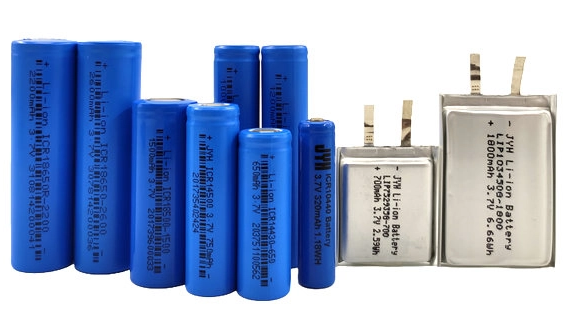
An ultra low temperature battery is engineered to charge and discharge in conditions that would shut down a regular cell. For solar users in northern regions, this capability isn't a luxury—it's a requirement.
When temperatures drop below freezing, the chemical reactions inside a standard power cell slow dramatically. Capacity falls, charging becomes unsafe, and your solar system may lose its ability to store the energy your panels produce. During the coldest months, that can leave critical devices without power exactly when you need them most.
JYH Technology's low temperature LiFePO4 batteries are built to perform where standard cells fail. Their specifications include:
Charge and discharge at -20°C while retaining more than 80% capacity
Cycle life testing at -20°C that remains acceptable
Select models that charge at -40°C with no safety risk
No heating components required to operate in the cold
That last point is significant. Many cold-weather battery systems rely on built-in heaters that drain stored energy before it ever reaches your appliances. A battery that charges in the cold on its own keeps more of your solar power available for actual use.
For solar energy systems, this means you capture sunlight efficiently even on the harshest winter mornings—without wasting power to keep the battery warm.
Selecting a cold weather LiFePO4 battery comes down to matching the battery's temperature range and cycle performance to your local climate and energy needs. Choose a battery rated for -40°C charging if you live in an extreme cold region; a -20°C-rated model works well for most snowy but moderate winters.
Here's a comparison of cold weather and ultra low temperature battery options based on JYH Technology's published specifications:
Battery Type | Charge Temperature Range | Capacity Retention | Cycle Life Notes | Best For |
|---|---|---|---|---|
Standard LiFePO4 | 0°C and above | High at room temp | Thousands of cycles | Mild climates, indoor storage |
Low Temperature LiFePO4 | Down to -20°C | >80% at -20°C | Acceptable at -20°C | Cold residential & off-grid solar |
Cold Weather LiFePO4 (-40°C) | Down to -40°C | Reliable in deep cold | No safety risk at -40°C | Extreme climates, remote sites |
Lithium Titanate (LTO) | Down to -40°C | >60% at -40°C | >10,000 cycles at 100% DOD | Critical, high-cycle applications |
A few practical tips when choosing:
Match the rating to your worst-case temperature. Don't pick a -20°C battery if your region regularly drops to -35°C.
Prioritize no-heater designs. Batteries that charge in the cold without internal heating preserve more usable solar energy.
Check cycle life at low temperatures. A battery that performs well at room temperature but poorly in the cold won't serve a winter solar system.
Confirm safety compliance. Look for cells tested against standards like IEC 62620 or UL, which JYH Technology supports across its product range.
For high-demand, daily-cycling solar systems in brutal cold, lithium titanate offers the longest life. For most cold-climate solar homes and off-grid installations, a low temperature or cold weather LiFePO4 battery delivers the best balance of capacity, cost, and durability.
Yes. Cold weather LiFePO4 batteries are well suited for solar energy systems in freezing climates. Models from JYH Technology can charge and discharge at -20°C while keeping more than 80% capacity, and select cells charge at -40°C with no safety risk—ideal for off-grid, residential, and remote solar storage.
Standard LiFePO4 batteries should not be charged below 0°C. Charging a frozen standard cell can cause lithium plating, which permanently damages the battery and creates safety hazards. Cold weather and ultra low temperature batteries are specifically designed to charge safely below freezing.
Not always. Some ultra low temperature batteries, including JYH Technology's low temperature LiFePO4 line, charge in the cold without any heating components. This design keeps more stored solar energy available for your appliances instead of using it to warm the battery.
It depends on the chemistry. Cold weather LiFePO4 cells deliver thousands of charge cycles, while lithium titanate cells can exceed 10,000 cycles at 100% depth of discharge. For daily-cycling solar storage, both offer long service life when matched to the correct temperature range.
For the most demanding cold-climate solar systems, lithium titanate (LTO) batteries perform down to -40°C with very high cycle life. For most cold-climate homes and off-grid setups, a low temperature or cold weather LiFePO4 battery offers the best balance of capacity, durability, and value.
To wrap up: cold weather LiFePO4 batteries absolutely belong in solar energy systems built for cold climates. A lithium iron phosphate battery brings long cycle life and proven safety, while an ultra low temperature battery extends that performance into freezing conditions where standard cells fail. By choosing a cold weather LiFePO4 battery matched to your region's lowest temperatures—and favoring designs that need no internal heater—you keep your solar power flowing reliably through winter and beyond.
Cold weather LiFePO4 batteries make reliable solar energy storage possible in climates that would cripple ordinary cells. By choosing a battery rated for your local temperature extremes—and favoring no-heater designs that keep more energy available—you build a solar system that performs through every season.
The next step is simple: identify the lowest temperature your system will face, then select a battery whose charging range comfortably covers it. Manufacturers like JYH Technology offer cold weather and ultra low temperature options tested for harsh environments, so you can find a match for cabins, telecom sites, or home solar arrays.


