

Views: 0 Author: Site Editor Publish Time: 2026-05-13 Origin: Site


Extreme cold is a well-known enemy of portable electronics and heavy-duty equipment alike. Anyone who has left a device outside on a freezing winter day knows how quickly a standard power source can drain and shut down. Freezing temperatures slow down the internal chemical reactions that generate electricity, causing traditional cells to fail exactly when you rely on them the most.
For commercial and industrial applications, this failure rate is more than just a minor inconvenience. It represents significant downtime, lost revenue, and potential safety hazards. Equipment deployed in harsh winter climates requires specialized engineering to maintain consistent voltage and capacity. Standard lithium-ion options simply cannot handle the physical stress of charging and discharging in sub-zero environments without experiencing severe internal damage.
This is where advanced chemistry steps in to solve the problem. By modifying the internal materials and utilizing specialized electrolytes, engineers have created power solutions that thrive in freezing environments. Investing in a cold weather lifepo4 battery ensures your equipment remains operational, safe, and efficient, regardless of the harsh conditions outside.

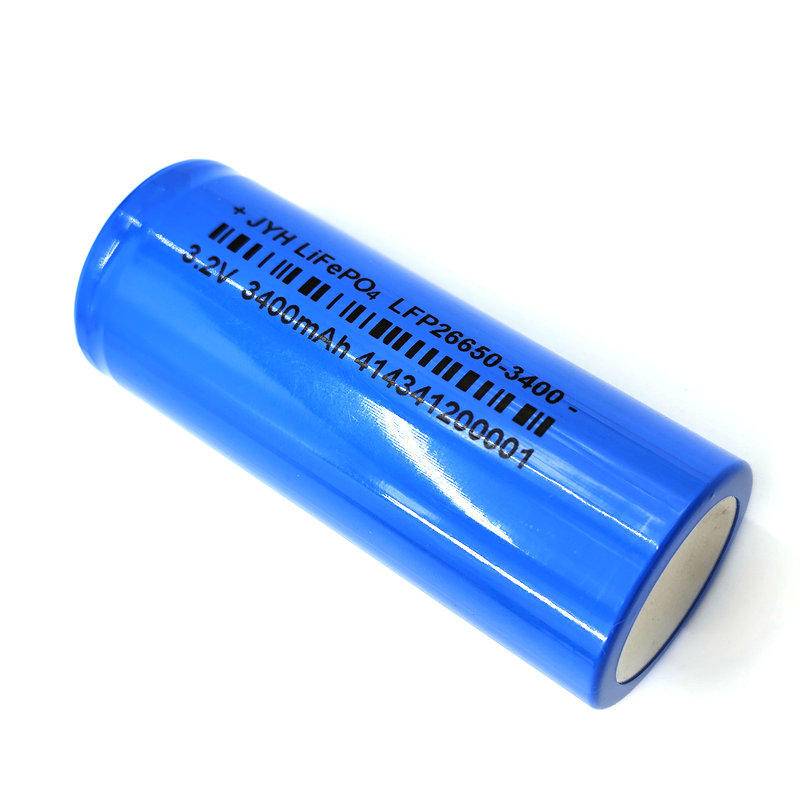
When temperatures drop below freezing, standard lithium cells experience a sharp increase in internal resistance. The electrolyte inside the cell thickens, slowing down the movement of lithium ions between the anode and cathode. If you attempt to charge a standard cell in these conditions, you risk a phenomenon known as lithium plating. Instead of absorbing into the anode, the lithium ions accumulate on the surface as metallic lithium. This permanently reduces capacity and creates a serious fire hazard.
Advanced cold-resistant cells avoid this dangerous issue entirely. Manufacturers use specially formulated electrolytes that remain highly conductive even at -20°C or lower. They also adjust the physical structure of the electrodes to allow for smooth ion absorption in freezing weather. This means you can safely charge and discharge the equipment without needing external heating components.
These engineering upgrades also extend the overall lifespan of the system. Because the cells do not suffer from severe cold-weather degradation, they maintain their cycle life expectations. Businesses save money by replacing equipment less frequently and avoiding the high costs associated with cold-weather failures.
While specialized LFP chemistries handle typical winter conditions beautifully, certain industries require even more extreme solutions. Sometimes, the environment demands operation at -40°C, or the application requires a uniquely high number of charge cycles.
For the most demanding environments on the planet, engineers often turn to alternative internal structures. A prominent example is the lithium titanate battery. Unlike traditional designs that use carbon in the anode, this technology utilizes titanate nanocrystals. This structural change provides a massive surface area for ions to enter and exit quickly.
The unique crystal structure allows these cells to safely charge and discharge at -40°C. Furthermore, they boast an incredible cycle life, often exceeding 10,000 cycles at 100% depth of discharge. They are the ultimate choice for heavy-duty industrial applications, public transportation, and grid storage systems located in the coldest regions of the world.
Cold weather also impacts building safety systems. Power outages are common during winter storms, making reliable backup illumination critical for commercial spaces, warehouses, and factories. If the building loses heating during an outage, the backup power system must still function flawlessly as the ambient temperature plummets.
Facility managers must ensure their safety infrastructure is equipped with a compliant emergency light battery. These specialized units are designed to meet strict safety regulations, such as UL924, while maintaining high capacity in unheated environments. They guarantee that exit signs and safety lighting remain bright and visible, safely guiding occupants out of the building during a winter power failure.


Understanding the specific limits of different chemical makeups helps you make the right choice for your project. The table below outlines how various cell technologies perform across different environments.
Technology Type | Minimum Operating Temperature | Typical Cycle Life | Ideal Application |
Standard Lithium-Ion | 0°C (Charging) | 500 - 1,000 | Consumer electronics, indoor devices |
Advanced LFP | -20°C (Charging) | 2,000 - 4,000 | Outdoor solar, telecommunications |
LTO Technology | -40°C (Charging) | 10,000+ | Extreme weather grid storage, transit |
Industrial Ni-Cd | -20°C (Discharging) | 1,000 - 1,500 | Legacy heavy equipment, aviation |
As the data shows, selecting a generic power source for an outdoor or unheated application severely limits performance. Tailoring the chemistry to the climate is the only way to ensure long-term reliability.
Navigating the complexities of energy storage requires a clear understanding of your environmental challenges. Standard options will eventually leave you stranded if your operations face freezing temperatures. By prioritizing specialized chemistries designed for extreme weather, you protect your equipment, ensure regulatory compliance, and eliminate costly winter downtime.
Take the time to assess the lowest possible temperatures your devices will encounter. Review safety certifications required for your specific industry, and calculate the total cost of ownership over a ten-year lifespan. Upgrading to advanced, temperature-resistant power solutions is a strategic investment that pays dividends through reliable, uninterrupted performance.


