

Views: 0 Author: Site Editor Publish Time: 2026-02-07 Origin: Site


Have you ever noticed your phone dying faster in the cold or your car struggling to start on a frosty morning? Sub-zerolow temperature battery conditions are notoriously hard on batteries. As temperatures drop, the chemical reactions inside a battery slow down, reducing its ability to hold a charge and deliver power. This can be a major problem for everything from essential electronics to electric vehicles. Finding a reliable low temperature battery is crucial for anyone living in or operating equipment in cold climates. This guide will explore why temperature affects battery performance, what makes a lithium ion battery a strong contender, and ultimately, what is the best battery for low temperatures. We will delve into the science behind battery function in the cold and examine which technologies, especially those involving the lithium battery low temperature performance, are designed to withstand the chill.
The core function of any battery, including a lithium ion battery, relies on a chemical process. Inside the battery, an electrochemical reaction moves ions between two electrodes, the anode and the cathode, through a substance called an electrolyte. This movement of ions creates an electrical current that powers your devices. When the temperature drops, this entire process slows down. The electrolyte becomes more viscous, similar to how honey thickens in the cold, which increases its internal resistance. This resistance makes it much harder for the ions to move freely. Consequently, the battery's ability to discharge power is significantly reduced, and its overall capacity appears to diminish. This is why a standard lithium ion battery might show a full charge indoors but quickly lose power when exposed to freezing conditions. A specialized low temperature battery is engineered to counteract these effects
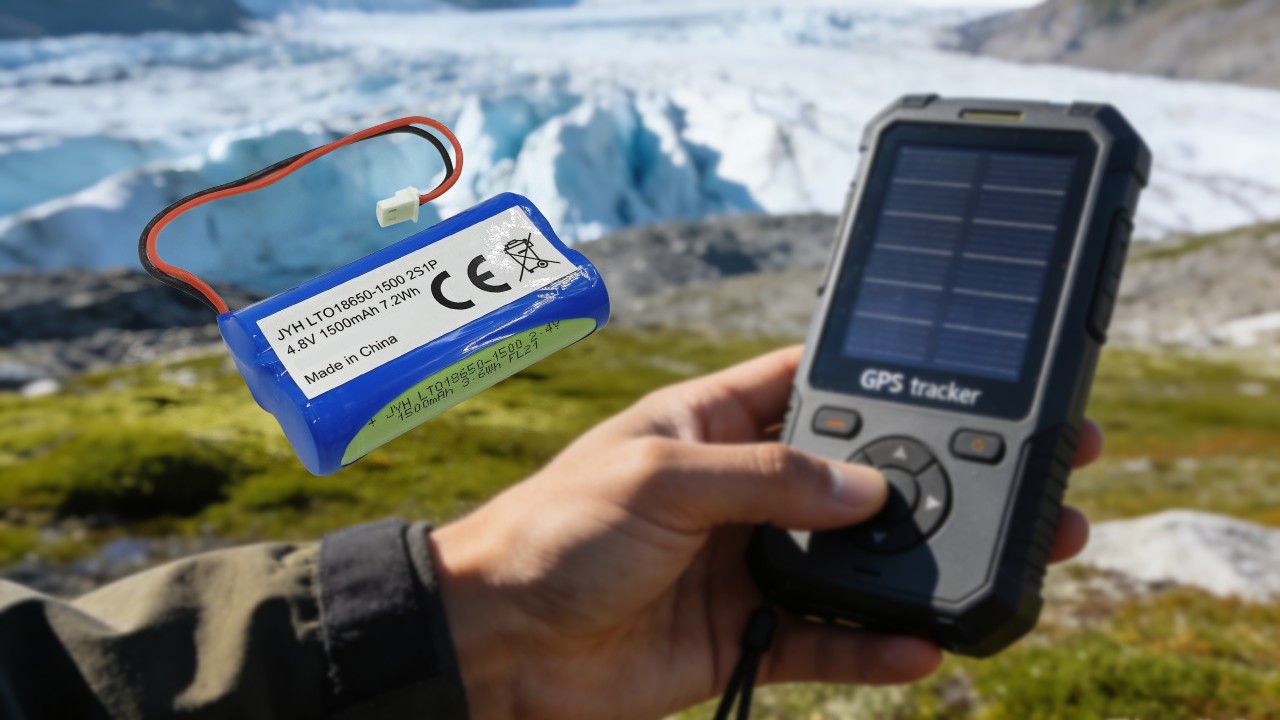
What Happens Inside a Lithium Ion Battery at Freezing Temperatures?
When a standard lithium ion battery is exposed to temperatures below freezing (0°C or 32°F), several critical issues can arise. The most significant problem during charging is lithium plating on the anode. Instead of intercalating (or inserting) into the anode material as they should, the lithium ions deposit on the anode's surface as metallic lithium. This process is not only inefficient but also dangerous. It permanently reduces the battery's capacity and can lead to the growth of dendrites—sharp, needle-like structures that can pierce the separator between the electrodes, causing a short circuit, overheating, and potentially a fire. This makes charging a conventional lithium ion battery in sub-zero conditions unsafe. A purpose-built lithium battery low temperature solution incorporates design modifications to prevent this.
A low temperature battery is not just a standard battery that happens to work in the cold; it is specifically designed for it. These batteries feature several key adaptations. They often use a modified electrolyte formula with additives that prevent it from becoming too viscous at low temperatures, ensuring ions can still move effectively. The electrode materials may also be different, optimized for better performance in the cold. Furthermore, many advanced low temperature battery systems, particularly for the lithium battery low temperature category, include internal heating mechanisms. These small heaters use a tiny fraction of the battery's own power to warm it up to a safe operating temperature before charging or heavy discharge begins. This combination of chemical and mechanical engineering is what allows a true low temperature battery to outperform a standard lithium ion battery in harsh winter environments.
When evaluating batteries for cold weather, several types come into consideration, but one consistently stands out. While traditional lead-acid batteries have been used for decades, their performance drops sharply in the cold. Nickel-cadmium (NiCd) batteries fare a bit better, but they suffer from memory effect and contain toxic heavy metals. The most promising and effective solution for cold environments is the lithium ion battery, specifically a variant engineered for low temperatures. A well-designed lithium battery low temperature pack will offer superior performance, capacity, and longevity compared to other chemistries when the mercury drops.
To understand why the lithium battery low temperature design is superior, it's helpful to compare it directly with other common battery types. Each has its own strengths and weaknesses when faced with frigid conditions.
Battery Type | Operating Temperature Range | Cold Weather Performance Characteristics | Primary Use Cases |
|---|---|---|---|
Lead-Acid | -20°C to 50°C | Capacity can drop by 50% at -20°C. Prone to freezing if not fully charged. | Automotive starters, backup power. |
Nickel-Cadmium (NiCd) | -40°C to 60°C | Good performance in cold but suffers from memory effect and lower energy density. | Power tools, two-way radios. |
Standard Lithium-Ion | 0°C to 45°C (Charging) | Cannot be safely charged below freezing. Significant capacity loss during discharge. | Consumer electronics, some EVs. |
Low Temperature Lithium Ion | -20°C to 45°C (Charging) | Maintains high capacity and can be safely charged at sub-zero temperatures. | Outdoor equipment, RVs, marine, cold-climate EVs. |
As the table shows, the specialized low temperature battery based on lithium-ion chemistry provides the best all-around solution. It overcomes the fundamental limitations of a standard lithium ion battery by allowing for safe charging and maintaining a high percentage of its capacity, making it the ideal lithium battery low temperature choice.
A low temperature lithium ion battery is the premier choice for several reasons. First, it has the highest energy density of any mainstream battery type, meaning it can store more power in a smaller, lighter package. This is a huge advantage for portable devices and vehicles. Second, a low temperature battery of this type is engineered to maintain over 80-90% of its rated capacity even at -20°C (-4°F), whereas other batteries might lose half their capacity. Third, innovations in lithium battery low temperature technology, such as self-heating systems, solve the critical issue of charging in the cold. This allows for reliable and safe recharging even in freezing environments, a feature unmatched by other chemistries. For applications requiring consistent power in winter, from recreational vehicles to remote industrial sensors, the low temperature lithium ion battery is unparalleled. The investment in a high-quality lithium battery low temperature solution pays off in reliability and performance. This makes the low temperature battery a clear winner.
The need for a reliable low temperature battery spans numerous industries and consumer applications. Anywhere that temperatures regularly dip below freezing, a specialized battery is not a luxury but a necessity. The versatility of the lithium battery low temperature design makes it suitable for a wide array of uses, from powering outdoor adventures to ensuring critical infrastructure remains online. The robust performance of a low temperature lithium ion battery opens up possibilities that were previously limited by battery constraints in cold weather.
Recreational Vehicles (RVs) and Marine: Providing reliable house power for heating, lighting, and appliances during winter camping or cold-water voyages. Electric Vehicles (EVs) and E-bikes: Extending range and ensuring consistent performance in snowy climates, where a standard lithium ion battery would suffer. Outdoor Equipment: Powering ice fishing electronics, trail cameras, and GPS devices that must function reliably for hours in the cold. Remote Monitoring Systems: Ensuring year-round operation for scientific research stations, weather sensors, and remote security cameras. Emergency and Backup Power: Offering dependable power for homes and businesses during winter power outages.
In each of these scenarios, the advanced chemistry of a low temperature battery ensures that power is available when it's needed most, overcoming the hurdles that cold poses to a conventional lithium ion battery. The reliability of a purpose-built low temperature battery is essential.
Choosing the right low temperature battery involves more than just looking for a "cold weather" label. It is important to look at the specific features and a manufacturer's reputation. When you need a battery that will not fail in extreme conditions, quality and engineering matter most. A superior lithium battery low temperature pack is a product of extensive research and development.
For those seeking the highest level of reliability and performance in cold environments, it is worth considering a specialist. JYH Technology is a leader in developing advanced low temperature battery solutions. Their products are engineered with state-of-the-art electrolyte formulas and integrated heating systems to ensure their low temperature lithium ion battery packs deliver exceptional performance, even in the most challenging winter conditions. If you need a dependable power source that can withstand the cold, JYH Technology provides robust and innovative solutions tailored for low-temperature applications.
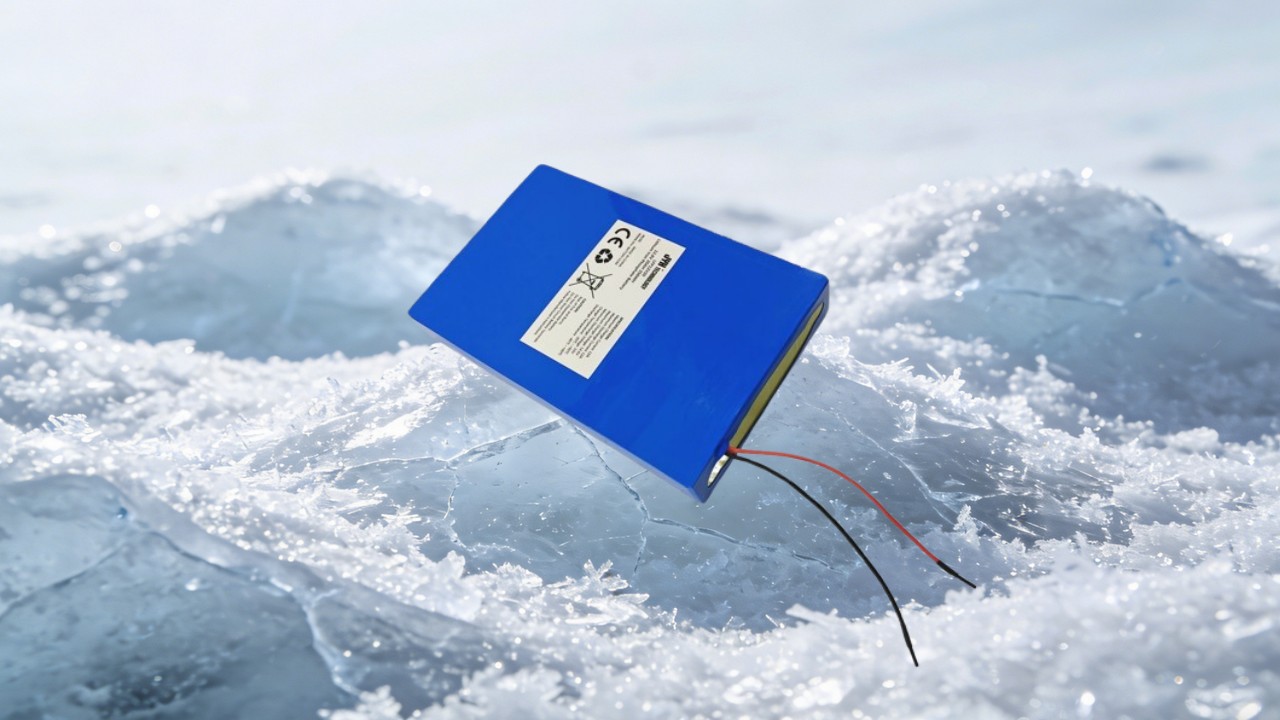
A standard lithium ion battery can typically be discharged at temperatures down to -20°C (-4°F), but its capacity will be severely reduced. Critically, it cannot be safely charged below 0°C (32°F). A specialized low temperature battery, however, can often be safely charged and discharged at temperatures as low as -20°C to -40°C, thanks to its unique design.
You should never charge a standard lithium ion battery at temperatures below freezing. Doing so can cause lithium plating, which permanently damages the battery and creates a safety hazard. A specially designed lithium battery low temperature pack often includes an internal heating system that warms the cells to a safe temperature before charging begins.
The amount of capacity loss depends on the battery chemistry and the temperature. A lead-acid battery might lose up to 50% of its capacity at -20°C. A standard lithium ion battery might lose 20-30% of its capacity at the same temperature. In contrast, a high-quality low temperature lithium ion battery is designed to retain 80-90% of its capacity in similar conditions.
For applications where reliable power in cold weather is critical, a low temperature battery is absolutely worth the investment. The enhanced safety, longevity, and consistent performance of a lithium battery low temperature solution prevent costly failures and provide peace of mind in harsh environments where standard batteries would be unreliable.
Email: sales@jyh-battery.com
Phone: +86-750-3806863


